






Seiring dengan terus meluasnya proyek pembangunan jalan global di Afrika, Asia Tenggara, dan Amerika Latin, para kontraktor semakin memilih bitumen dalam kemasan jumbo bag daripada drum baja tradisional.
Mengapa? Karena kantong jumbo mengurangi biaya pengemasan, meminimalkan limbah transportasi, dan menyederhanakan logistik untuk lokasi konstruksi terpencil.
Namun, satu tantangan besar masih tetap ada:
Bagaimana cara melelehkan blok bitumen padat seberat 1 ton secara efisien tanpa membuang bahan bakar, merusak pengikat, atau memperlambat produksi?
Tangki pemanas tradisional tidak dirancang untuk blok bitumen padat berukuran besar. Pemanasan yang tidak tepat sering menyebabkan panas berlebih di area tertentu, konsumsi bahan bakar yang berlebihan, penanganan manual yang berbahaya, dan penundaan proyek yang parah.
Dalam panduan ini, kami menjelaskan bagaimana sistem peleburan bitumen minyak termal YDLR modern mengatasi masalah-masalah ini dan mengapa sistem ini menjadi solusi pilihan bagi kontraktor di seluruh dunia.
Mengapa Bitumen Karung 1 Ton Semakin Populer di Seluruh Dunia?
Selama beberapa dekade, bitumen sebagian besar diangkut dalam drum baja 200 kg. Meskipun efektif, kemasan drum menimbulkan beberapa masalah operasional:
- Biaya kemasan baja yang tinggi
- Sejumlah besar drum limbah
- Tenaga kerja pemotongan drum manual
- Residu bitumen yang tertinggal di dalam drum
- Pembuangan dan daur ulang yang mahal
Saat ini, banyak pemasok beralih ke kemasan kantong jumbo karena menawarkan:
- Biaya transportasi lebih rendah
- Pengurangan limbah kemasan
- Efisiensi pemuatan yang lebih tinggi
- Logistik yang disederhanakan
- Kinerja lingkungan yang lebih baik
Namun, blok bitumen padat berukuran besar memerlukan peralatan peleburan khusus. Tangki standar tidak dapat melebur blok tersebut secara efisien.
Masalah Terbesar yang Dihadapi Kontraktor Saat Memanaskan Bitumen Padat
1. Kecepatan Peleburan yang Sangat Lambat
Jika sebuah blok bitumen dingin seberat 1 ton dijatuhkan langsung ke dalam tangki pemanas, hanya lapisan terluarnya yang menerima panas. Bagian tengahnya tetap padat selama berjam-jam atau bahkan berhari-hari.
2. Limbah Bahan Bakar
Sistem yang isolasinya buruk akan mengonsumsi bahan bakar diesel atau minyak berat secara berlebihan selama pemanasan terus menerus.
3. Bitumen Terlalu Panas
Pemanasan langsung dengan api dapat membakar permukaan pengikat, mempercepat oksidasi dan mengurangi kualitas aspal.
4. Operasi Manual yang Berbahaya
Metode pemotongan drum tradisional mengharuskan pekerja untuk menangani wadah bitumen panas secara manual, sehingga meningkatkan risiko keselamatan secara signifikan. :contentReference[oaicite:2]{index=2}
5. Penundaan Proyek
Kapasitas peleburan yang tidak mencukupi menciptakan hambatan bagi pabrik pencampuran aspal dan operasi pengaspalan.
Apa itu Mesin Pelebur Bitumen YDLR?
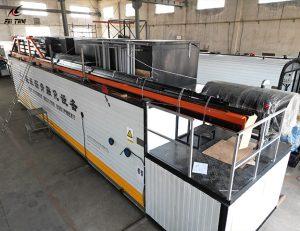
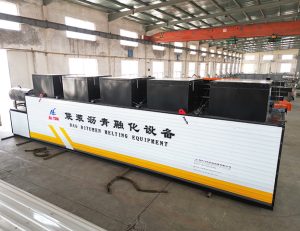
Peralatan Peleburan Bitumen Industri Seri YDLR adalah sistem pemanas oli termal tertutup sepenuhnya yang dirancang khusus untuk melelehkan aspal dalam karung jumbo secara efisien dan aman.
Berbeda dengan tank tembak langsung tradisional, sistem YDLR menggabungkan:
- Pemanasan sirkulasi oli termal
- Pemulihan panas gas buang
- Struktur peleburan dua ruang
- Pengumpanan kerekan listrik
- Pemotongan tas otomatis
- Pemompaan aspal terintegrasi
Hal ini memungkinkan peleburan berkelanjutan dengan kontrol suhu yang stabil dan konsumsi bahan bakar yang jauh lebih rendah.
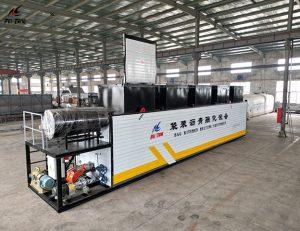
Bagaimana Sistem YDLR Bekerja
Langkah 1 — Pemberian Makan dengan Hoist Listrik
Dongkrak listrik terintegrasi mengangkat karung bitumen seberat 1 ton langsung ke platform pengumpanan atas.
Langkah 2 — Pembukaan Tas Otomatis
Bagian bawah kantong dipotong secara otomatis, memungkinkan blok bitumen jatuh dengan aman ke ruang peleburan bagian atas.
Langkah 3 — Pemanasan Kisi Minyak Termal
Kumparan minyak termal suhu tinggi memanaskan permukaan bitumen dengan cepat, memecah bongkahan besar menjadi potongan-potongan yang lebih kecil.
Langkah 4 — Ruang Peleburan Sekunder
Potongan aspal yang lebih kecil jatuh ke ruang bawah, di mana sirkulasi terus-menerus memastikan peleburan yang seragam.
Langkah 5 — Memompa dan Melahirkan
Bitumen yang telah sepenuhnya meleleh dipindahkan langsung ke tangki penyimpanan, distributor aspal, atau pabrik pencampuran.
Mengapa Pemanasan dengan Minyak Termal Lebih Baik daripada Pemanasan dengan Api Langsung?
| Faktor | Pemanasan Minyak Termal | Pemanasan Api Langsung |
|---|---|---|
| Keseragaman Pemanasan | Bagus sekali | Miskin |
| Perlindungan Bitumen | Tidak ada kebakaran lokal. | Risiko panas berlebih |
| Konsumsi Bahan Bakar | Lebih rendah | Lebih tinggi |
| Otomatisasi | Tinggi | Rendah |
| Keselamatan Operasional | Bagus sekali | Sedang |
Kontraktor modern semakin memilih sistem oli termal karena sistem ini memberikan kontrol suhu yang stabil sekaligus melindungi kualitas aspal selama pengoperasian jangka panjang.
Spesifikasi Teknis Khas YDLR
| Parameter | Nilai Khas |
|---|---|
| Kapasitas Peleburan | 5–10 Ton/Jam |
| Suhu Minyak Termal | 200–250°C |
| Suhu Keluaran Bitumen | 110–160°C |
| Konsumsi Diesel | 5–8 kg per ton |
| Kapasitas Penyimpanan | 30 m³+ |
| Sistem Kontrol | Kontrol Otomatis PLC |
Sebagian besar sistem YDLR kompatibel dengan kontainer dan dapat diangkut menggunakan kontainer standar 40HQ.
Seberapa Banyak Bahan Bakar yang Dapat Dihemat oleh Kontraktor?
Biaya bahan bakar merupakan salah satu pengeluaran operasional terbesar pada proyek pengaspalan di lokasi terpencil.
Sistem YDLR menggunakan:
- Sirkulasi oli termal
- Daur ulang gas buang
- Isolasi dua lapis
- Perpindahan panas terus-menerus
Fitur-fitur ini secara signifikan meningkatkan efisiensi termal dibandingkan dengan sistem pemanas api terbuka tradisional.
Berdasarkan data operasional lapangan, konsumsi bahan bakar dapat serendah 5 kg diesel per ton aspal dalam kondisi yang dioptimalkan.
Di mana saja mesin YDLR biasanya digunakan?
- Proyek pembangunan jalan raya
- Pengaspalan landasan pacu bandara
- Proyek infrastruktur terpencil
- Proyek kedap air jembatan
- Sistem pasokan pabrik pencampuran aspal
- Operasi pemeliharaan jalan
Struktur modular dalam kontainer membuat sistem YDLR sangat cocok untuk proyek konstruksi di luar negeri di mana penyebaran cepat sangat penting.
Cara Memilih Kapasitas yang Tepat
| Jenis Proyek | Kapasitas yang Direkomendasikan |
|---|---|
| Pemeliharaan jalan kecil | 5T/H |
| Proyek pengaspalan perkotaan | 8T/H |
| Konstruksi jalan raya | 10T/H+ |
| Pabrik aspal besar | Sistem multi-unit yang disesuaikan |
Kesalahan Umum Saat Membeli Mesin Pelebur Bitumen
Banyak kontraktor hanya fokus pada harga dan mengabaikan detail teknik yang penting.
Kesalahan umum meliputi:
- Memilih sistem pemanas langsung dengan kontrol suhu yang buruk.
- Mengabaikan ketebalan isolasi
- Menggunakan pompa yang ukurannya terlalu kecil
- Membeli peralatan tanpa sistem pengumpanan otomatis
- Memilih mesin tanpa kontrol suhu PLC
- Mengabaikan ketersediaan dukungan purna jual.
Peralatan berbiaya rendah seringkali menyebabkan konsumsi bahan bakar yang lebih tinggi, kinerja peleburan yang tidak stabil, dan waktu henti yang mahal di kemudian hari.
Kesimpulan
Seiring dengan terus bergesernya logistik global menuju transportasi aspal menggunakan karung jumbo, kontraktor membutuhkan sistem peleburan yang lebih cepat, lebih aman, dan lebih hemat bahan bakar.
Mesin pelebur bitumen minyak termal YDLR menyediakan:
- Produksi berkelanjutan
- Konsumsi bahan bakar lebih rendah
- Kualitas aspal yang stabil
- Intensitas kerja berkurang
- Keamanan operasional yang lebih tinggi
- Kemudahan transportasi dalam kontainer
Untuk proyek konstruksi jalan modern, memilih sistem peleburan yang tepat bukan lagi hanya tentang memanaskan aspal — tetapi juga tentang mengurangi waktu henti, meningkatkan efisiensi, dan melindungi kualitas perkerasan jalan dalam jangka panjang.
Dapatkan Solusi Peleburan Bitumen YDLR Kustom
Sampaikan persyaratan proyek Anda kepada kami dan terima proposal teknis yang disesuaikan dalam waktu 24 jam.
Mohon sertakan:
• Kapasitas peleburan yang dibutuhkan
• Jenis kemasan bitumen
• Preferensi bahan bakar
• Lokasi proyek
• Tanggal pengiriman yang ditargetkan
Pertanyaan yang Sering Diajukan
Apa perbedaan antara dekanter drum bitumen dan pelebur bitumen kantong?
Dekanter drum dirancang untuk drum baja, sedangkan pelebur bitumen kantong memproses blok aspal kantong jumbo menggunakan sistem pemanas minyak termal.
Berapa lama waktu yang dibutuhkan untuk melelehkan 1 ton karung bitumen?
Sistem YDLR modern dapat mencapai 5–10 ton per jam tergantung pada model dan kondisi operasinya.
Mengapa pemanasan dengan minyak termal lebih baik?
Pemanasan dengan minyak termal memberikan kontrol suhu yang seragam dan mencegah pemanasan berlebih di area tertentu yang dapat merusak kualitas aspal.
Apakah mesin YDLR dapat dikirim dalam kontainer?
Ya. Sebagian besar sistem YDLR dirancang untuk pengangkutan kontainer 40HQ.
Sistem ini menggunakan bahan bakar apa?
Sebagian besar sistem menggunakan pembakar diesel, meskipun tersedia pilihan bahan bakar yang disesuaikan.
Tentang Feiteng Road Equipment
Feiteng Road Equipment mengkhususkan diri dalam pembuatan mesin pelebur bitumen, tangki penyimpanan bitumen, distributor aspal, dan sistem pemanas minyak termal untuk kontraktor konstruksi jalan di seluruh dunia.
📧 Email: [email protected]
🌐 Situs web: https://www.bitumenmachine.com
-

Peralatan Peleburan Aspal Industri Seri YDLR | Sistem Botol Aspal Tas 5T / H
 Bahasa Indonesia
  English
  Deutsch
  Español
  Tiếng Việt
  العربية
  Français
  Português
  Русский
  हिन्दी
  বাংলা
বাংলা  Українська
  اردو
اردو