






سڑک کی تعمیر کے بہت سے ٹھیکیداروں کے لیے، ڈرم سے بھرے بٹومین اب بھی ایک عملی مواد کی فراہمی کی شکل ہے۔ اسٹیل کے ڈرم دور دراز کے پروجیکٹ سائٹس پر نقل و حمل، ذخیرہ کرنے اور سنبھالنے میں آسان ہیں۔ تاہم، جب ٹھوس بٹومین کو پگھلانے، منتقل کرنے، اور اسٹوریج ٹینک یا اسفالٹ پلانٹ کو مسلسل فراہم کرنے کی ضرورت ہوتی ہے، تو رکاوٹ ایک سنگین آپریٹنگ مسئلہ بن سکتی ہے۔
بٹومین ڈرم ڈیکنٹر میں رکاوٹ شاذ و نادر ہی کسی ایک عنصر کی وجہ سے ہوتی ہے۔ زیادہ تر معاملات میں، یہ کم بٹومین درجہ حرارت، ناکافی پائپ لائن ہیٹنگ، ٹھنڈے پمپ اور والوز، ڈرم کی باقیات، گندے فلٹرز، غلط شٹ ڈاؤن طریقہ کار، یا حرارتی نظام کے مرکب سے آتا ہے جو مطلوبہ پیداواری صلاحیت سے میل نہیں کھاتا۔
یہ گائیڈ بٹومین ڈرم ڈیکنٹر میں رکاوٹ کی عام وجوہات کی وضاحت کرتا ہے اور روزانہ آپریشن کے دوران ٹھیکیدار پمپ، پائپ لائن، فلٹر اور حرارتی مسائل کو کیسے روک سکتے ہیں۔
بٹومین ڈرم ڈیکنٹنگ سسٹم میں رکاوٹ کیوں ہوتی ہے۔
بٹومین درجہ حرارت سے حساس مواد ہے۔ جب اسے مناسب طریقے سے گرم کیا جاتا ہے، تو اسے بہنا اور پمپ کرنا آسان ہو جاتا ہے۔ جب یہ ٹھنڈا ہو جاتا ہے، تو اس کی واسکاسیٹی تیزی سے بڑھ جاتی ہے، اور پائپ لائنوں، پمپوں، والوز اور فلٹرز کے ذریعے اسے منتقل کرنا مشکل ہو سکتا ہے۔
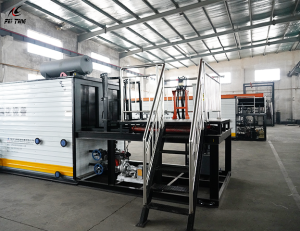
ایک میں بٹومین پگھلنے والی مشین، مقصد صرف ڈرم سے باقیات پگھلنا نہیں ہے۔ سسٹم کو پگھلے ہوئے بٹومین کو مناسب درجہ حرارت پر رکھنے کی بھی ضرورت ہے جب تک کہ اسے a میں پمپ نہ کیا جائے۔ بٹومین اسٹوریج ٹینک یا نیچے کی طرف اسفالٹ پلانٹ کا نظام۔
رکاوٹ اکثر درج ذیل پوزیشنوں میں ظاہر ہوتی ہے۔
- بٹومین پمپ انلیٹ اور آؤٹ لیٹ
- بٹومین فلٹر
- پائپ لائن کی منتقلی
- والوز اور کہنیوں
- ڈیکنٹر اور اسٹوریج ٹینک کے درمیان پائپ لائن کنکشن
- تھرمل آئل ہیٹ ٹریسنگ کے بغیر سرد حصے
- مردہ کونے جہاں بند ہونے کے بعد باقی رہ جاتا ہے۔
یہ سمجھنا کہ رکاوٹ کہاں اور کیوں ہوتی ہے سامان کی بھروسے کو بہتر بنانے کا پہلا قدم ہے۔
وجہ 1: بٹومین کا کم درجہ حرارت
رکاوٹ کی سب سے عام وجہ کم بٹومین درجہ حرارت ہے۔ اگر بٹومین کو پمپ کرنے سے پہلے کافی گرم نہیں کیا جاتا ہے، تو یہ بہت چپچپا رہتا ہے۔ پمپ کو زیادہ محنت کرنی پڑتی ہے، بہاؤ غیر مستحکم ہو جاتا ہے، اور پائپ لائن آہستہ آہستہ بلاک ہو سکتی ہے۔
یہ مسئلہ اس وقت ہو سکتا ہے جب:
- ڈیکانٹنگ چیمبر کا درجہ حرارت بہت کم ہے۔
- نچلا پگھلنے والا چیمبر کافی گرمی کے انعقاد کا وقت فراہم نہیں کرتا ہے۔
- آپریٹر پمپ کو بہت جلد شروع کر دیتا ہے۔
- بٹومین میں غیر پگھلی ہوئی گانٹھیں ہوتی ہیں۔
- حرارتی نظام کی صلاحیت مطلوبہ پیداوار سے میل نہیں کھاتی
اس مسئلے کو روکنے کے لیے، آپریٹر کو بٹومین کو مناسب بہنے کی حالت تک پہنچنے سے پہلے پمپ نہیں کرنا چاہیے۔ بہت سے ڈرم بٹومین ڈیکنٹنگ سسٹمز میں، منتقلی سے پہلے پگھلے ہوئے بٹومین کو نچلے چیمبر میں مزید گرم کیا جانا چاہیے۔ پمپ، پائپ لائن اور والوز کو آپریشن سے پہلے پہلے سے گرم کیا جانا چاہیے۔
وجہ 2: ناقص پائپ لائن ہیٹ ٹریسنگ
یہاں تک کہ اگر بٹومین ڈیکنٹر کے اندر مکمل طور پر پگھل گیا ہے، تب بھی یہ پائپ لائن کو بلاک کر سکتا ہے اگر ٹرانسفر لائن کو مناسب طریقے سے گرم نہیں کیا جاتا ہے۔ یہ خاص طور پر عام ہے جب ڈیکنٹر اور اسٹوریج ٹینک کے درمیان فاصلہ طویل ہو، یا جب پائپ لائن کم محیطی درجہ حرارت کے سامنے ہو۔
بٹومین ٹرانسفر پائپ لائنوں کو عام طور پر تھرمل آئل ہیٹ ٹریسنگ یا کسی اور مناسب حرارتی طریقہ کی ضرورت ہوتی ہے۔ گرمی کا پتہ لگانے کے بغیر، پائپ کی دیوار منتقلی کے دوران بٹومین کو ٹھنڈا کرتی ہے۔ وقت گزرنے کے ساتھ، بٹومین اندرونی دیوار سے چپکنا شروع کر دیتا ہے، بہاؤ کی مزاحمت بڑھ جاتی ہے، اور رکاوٹ پیدا ہو سکتی ہے۔
اچھے پائپ لائن ڈیزائن میں شامل ہونا چاہئے:
- ٹرانسفر پائپ لائنز کے لیے تھرمل آئل ہیٹ ٹریسنگ
- پائپ لائن کی مناسب موصلیت
- جہاں ممکن ہو مختصر اور براہ راست پائپ لائن روٹنگ
- کم تیز کہنیوں اور مردہ کونے
- بٹومین پمپنگ سے پہلے پہلے سے گرم کرنا
- بند کے لیے نکاسی آب یا گردش کا ڈیزائن
ایسے منصوبوں کے لیے جن کے لیے مسلسل منتقلی کی ضرورت ہوتی ہے، پائپ لائن کو پورے ہیٹنگ سسٹم کے حصے کے طور پر سمجھا جانا چاہیے، نہ کہ ایک سادہ کنکشن پائپ کے طور پر۔
وجہ 3: پمپ اور والو کولنگ
بٹومین پمپ ایک اور عام رکاوٹ ہے۔ اگر پمپ باڈی کو پہلے سے گرم نہیں کیا جاتا ہے، تو ٹھنڈے پمپ میں داخل ہونے والا گرم بٹومین تیزی سے ٹھنڈا ہو سکتا ہے اور حرکت کرنا مشکل ہو جاتا ہے۔ یہی مسئلہ والوز، فلینجز، کہنیوں اور فلٹر ہاؤسنگ میں بھی ہو سکتا ہے۔
پمپ سے متعلق عام مسائل میں شامل ہیں:
- شروع ہونے سے پہلے کولڈ پمپ باڈی
- پمپ انلیٹ میں اعلی بٹومین واسکاسیٹی
- پمپ سے پہلے فلٹر رکاوٹ
- والوز کے ارد گرد ناکافی ہیٹنگ
- بند ہونے کے بعد بٹومین کا استحکام
- پمپ شروع کرنے کی غلط ترتیب
خطرے کو کم کرنے کے لیے، آپریٹرز کو منتقلی شروع کرنے سے پہلے پمپ اور پائپ لائن سسٹم کو پہلے سے گرم کرنا چاہیے۔ پمپ کو خشک نہیں چلنا چاہئے، اور انلیٹ سائیڈ کو ٹھنڈے یا غیر پگھلنے والے مواد سے مسدود نہیں ہونا چاہئے۔ اگر سسٹم میں فلٹر شامل ہے، تو اسے باقاعدگی سے چیک کیا جانا چاہیے اور رکاوٹ کے شدید ہونے سے پہلے اسے صاف کرنا چاہیے۔
وجہ 4: ڈرم کی باقیات اور نجاست
ڈرم سے بھرے بٹومین میں باقیات، زنگ کے ذرات، پیکیجنگ کی آلودگی، یا ڈرم ہینڈلنگ کی نجاست شامل ہوسکتی ہے۔ اگر یہ مواد پمپ یا پائپ لائن میں داخل ہوتے ہیں، تو وہ فلٹرز، والوز یا کہنیوں میں جمع ہو سکتے ہیں۔
نجاست کئی مسائل کا سبب بن سکتی ہے:
- فلٹر بند کرنا
- پمپ پہننا
- والو سگ ماہی کے مسائل
- پائپ لائن کے بہاؤ میں کمی
- غیر مستحکم خارج ہونے والا دباؤ
ایک اچھی طرح سے ڈیزائن کردہ ڈرم بٹومین پگھلنے کے نظام کو ناپاکی پر قابو پانے پر غور کرنا چاہئے۔ آپریٹرز کو ڈرم کی تیاری کے دوران واضح غیر ملکی مواد کو ہٹانا چاہیے اور باقاعدگی سے فلٹرز کا معائنہ کرنا چاہیے۔ اگر پروجیکٹ پرانے یا خراب شدہ ڈرموں کا استعمال کرتا ہے، تو صفائی اور فلٹرنگ اور بھی اہم ہو جاتی ہے۔
وجہ 5: شٹ ڈاؤن کا غلط طریقہ کار
بلاکیج کے بہت سے مسائل عام آپریشن کے بجائے بند ہونے کے بعد ظاہر ہوتے ہیں۔ اگر بٹومین پمپ، والو، یا پائپ لائن کے اندر رہتا ہے اور رات بھر ٹھنڈا ہو جاتا ہے، تو آپریٹرز اگلے دن اسے دوبارہ شروع کرنے کی کوشش کرنے پر سسٹم بلاک ہو سکتا ہے۔
غلط شٹ ڈاؤن میں شامل ہوسکتا ہے:
- گرمی کا پتہ لگانا بہت جلد روکنا
- پائپ لائنوں کے اندر بٹومین چھوڑنا
- نظام کو نکالنے یا گردش کرنے میں ناکامی۔
- منتقلی مکمل ہونے سے پہلے پمپ کو روکنا
- والوز اور پمپ چیمبروں کو اندر سے بٹومین کے ساتھ ٹھنڈا ہونے کی اجازت دینا
اس مسئلے کو روکنے کے لیے، آپریٹرز کو شٹ ڈاؤن کے واضح طریقہ کار پر عمل کرنا چاہیے۔ منتقلی مکمل ہونے تک پائپ لائن اور پمپ کو گرم رہنا چاہیے۔ جہاں ممکن ہو، بقیہ بٹومین کو آلات کے ڈیزائن کے مطابق خارج، گردش، یا گرم رکھا جانا چاہیے۔
وجہ 6: ناکافی تھرمل آئل ہیٹنگ
بہت سے ڈرم بٹومین ڈیکینٹرز کے لیے، تھرمل آئل ہیٹنگ کو مستحکم بالواسطہ حرارت فراہم کرنے کے لیے استعمال کیا جاتا ہے۔ اگر تھرمل تیل کا درجہ حرارت بہت کم ہے، گردش ناقص ہے، یا ہیٹ ایکسچینج ایریا ناکافی ہے، تو ڈیکنٹر بٹومین کو مؤثر طریقے سے نہیں پگھلا سکتا ہے۔
تھرمل تیل کی ناکافی حرارت کی وجہ سے ہو سکتا ہے:
- کم تھرمل تیل کام کرنے کا درجہ حرارت
- تھرمل آئل پمپ کی خرابی۔
- تھرمل آئل سرکٹ میں ہوا یا رکاوٹ
- گندا یا بوڑھا تھرمل تیل
- حرارتی کنڈلی کا علاقہ ناکافی ہے۔
- پگھلنے والے چیمبر کے ارد گرد ناقص موصلیت
ایک موزوں تھرمل تیل بوائلر یا مربوط حرارتی نظام مستحکم ڈیکنٹنگ کے لیے اہم ہے۔ سازوسامان خریدنے سے پہلے، خریداروں کو مطلوبہ پیداواری صلاحیت، مقامی محیطی درجہ حرارت، ڈرم کی تفصیلات، حرارتی طریقہ، اور نیچے کی طرف اسٹوریج کی ضروریات کی تصدیق کرنی چاہیے۔
وجہ 7: سازوسامان کی صلاحیت سے مماثل نہیں۔
رکاوٹ اس وقت بھی ہو سکتی ہے جب آلات کی گنجائش اصل پراجیکٹ کی طلب سے مماثل نہ ہو۔ اگر آپریٹر ہیٹنگ سسٹم کے ٹھیک سے پگھلنے سے زیادہ بٹومین پمپ کرنے کی کوشش کرتا ہے، تو سسٹم غیر مستحکم ہو سکتا ہے۔
صلاحیت کی مماثلت کئی طریقوں سے ظاہر ہو سکتی ہے:
- مطلوبہ پیداوار ڈیکنٹر کی صلاحیت سے زیادہ ہے۔
- ڈھول کھلانے کی رفتار بہت تیز ہے۔
- حرارتی نظام تیزی سے درجہ حرارت بحال نہیں کر سکتا
- اسٹوریج ٹینک ڈیکنٹر سے بہت دور ہے۔
- پائپ لائن قطر یا پمپ کی گنجائش مناسب نہیں ہے۔
زیادہ مانگ والے منصوبوں کے لیے، ٹھیکیداروں کو خودکار یا نیم خودکار آلات پر غور کرنا چاہیے جس میں مستحکم حرارت، کافی ذخائر کی گنجائش، اور قابل اعتماد پمپنگ ہو۔ مثال کے طور پر، ایک خودکار ڈرم بٹومین ڈیکنٹر جیسے ZYDST سیریز خودکار بٹومین پگھلنے والی مشین دستی ہینڈلنگ کو کم کرنے اور زیادہ مسلسل ڈرم فیڈنگ کے عمل کی حمایت کر سکتے ہیں۔
بٹومین ڈرم ڈیکنٹر کی رکاوٹ کو کیسے روکا جائے۔

رکاوٹ کو روکنے کے لیے ایک مکمل سسٹم اپروچ کی ضرورت ہوتی ہے۔ ڈیکنٹر، پمپ، پائپ لائن، فلٹر، اسٹوریج ٹینک، اور ہیٹنگ سسٹم کو ایک ساتھ کام کرنا چاہیے۔
1. پمپنگ سے پہلے سسٹم کو پہلے سے گرم کریں۔
بٹومین کی منتقلی شروع کرنے سے پہلے، یقینی بنائیں کہ ڈیکنٹر، پمپ، والوز، اور پائپ لائن مناسب طریقے سے گرم ہیں۔ جب بٹومین اب بھی زیادہ چپچپا ہو یا جب پمپ کا جسم ٹھنڈا ہو تو پمپ کو شروع نہ کریں۔
2. مناسب پائپ لائن ہیٹ ٹریسنگ کا استعمال کریں۔
بٹومین ٹرانسفر پائپ لائنوں کو گرمی کا پتہ لگانا اور موصل ہونا چاہئے۔ لمبی پائپ لائنز، آؤٹ ڈور پائپ لائنز، اور سرد موسم میں ملازمت کی جگہوں پر خصوصی توجہ کی ضرورت ہوتی ہے۔
3. فلٹرز کو صاف رکھیں
فلٹرز پمپ اور ڈاون اسٹریم سسٹم کی حفاظت کرتے ہیں، لیکن اگر اسے برقرار نہ رکھا جائے تو وہ بلاکیج پوائنٹس بن سکتے ہیں۔ فلٹرز کو باقاعدگی سے صاف کریں یا ان کا معائنہ کریں، خاص طور پر پرانے ڈرم یا آلودہ مواد پر کارروائی کرتے وقت۔
4. غیر ضروری کہنیوں اور مردہ کونوں سے پرہیز کریں۔
پائپ لائن کی ترتیب ہر ممکن حد تک سادہ اور سیدھی ہونی چاہیے۔ تیز موڑ، کم پوائنٹس، اور مردہ کونے بٹومین کے جمع ہونے اور ٹھنڈا ہونے کے امکانات کو بڑھاتے ہیں۔
5. بند کرنے کے درست طریقہ کار پر عمل کریں۔
پمپ اور پائپ لائن سسٹم کے اندر کولڈ بٹومین نہ چھوڑیں۔ ہیٹ ٹریسنگ کو اس وقت تک فعال رکھیں جب تک کہ منتقلی مکمل نہ ہو جائے، اور سسٹم کے ڈیزائن کے مطابق بقایا بٹومین کو خارج کریں یا گردش کریں۔
6. پیداوار کی طلب کے ساتھ حرارتی صلاحیت کا مقابلہ کریں۔
حرارتی نظام کو پگھلنے کی مطلوبہ شرح سے مماثل ہونا چاہیے۔ ناکافی حرارتی صلاحیت والا ڈیکنٹر جزوی طور پر پگھلا ہوا بٹومین پیدا کر سکتا ہے، جس سے رکاوٹ کا خطرہ بڑھ جاتا ہے۔
7. حقیقی سائٹ کے حالات کی بنیاد پر سامان کا انتخاب کریں۔
خریدنے سے پہلے، ڈرم کے سائز، مطلوبہ پگھلنے کی صلاحیت، بجلی کی فراہمی، ایندھن کی قسم، محیط درجہ حرارت، سائٹ کی ترتیب، پائپ لائن کا فاصلہ، اور اسٹوریج ٹینک کے حجم کی تصدیق کریں۔
تجویز کردہ آلات کی ترتیب
ایک قابل اعتماد ڈرم بٹومین ہینڈلنگ سسٹم میں عام طور پر صرف ڈیکنٹر سے زیادہ شامل ہوتا ہے۔ پروجیکٹ کی ضروریات پر منحصر ہے، ایک مکمل نظام میں شامل ہوسکتا ہے:
- بٹومین ڈرم ڈیکنٹر ڈرم سے بھرے بٹومین کو پگھلانے کے لیے
- کھانا کھلانے کی بہتر کارکردگی کے لیے خودکار ڈرم ٹِپنگ سسٹم
- ڈیزل برنر یا تھرمل آئل ہیٹنگ سسٹم
- تھرمل آئل کوائلز اور فلو ہیٹنگ سسٹم
- مناسب بہاؤ کی صلاحیت کے ساتھ بٹومین پمپ
- ناپاکی پر قابو پانے کے لیے بٹومین فلٹر
- ہیٹ ٹریسڈ ٹرانسفر پائپ لائن
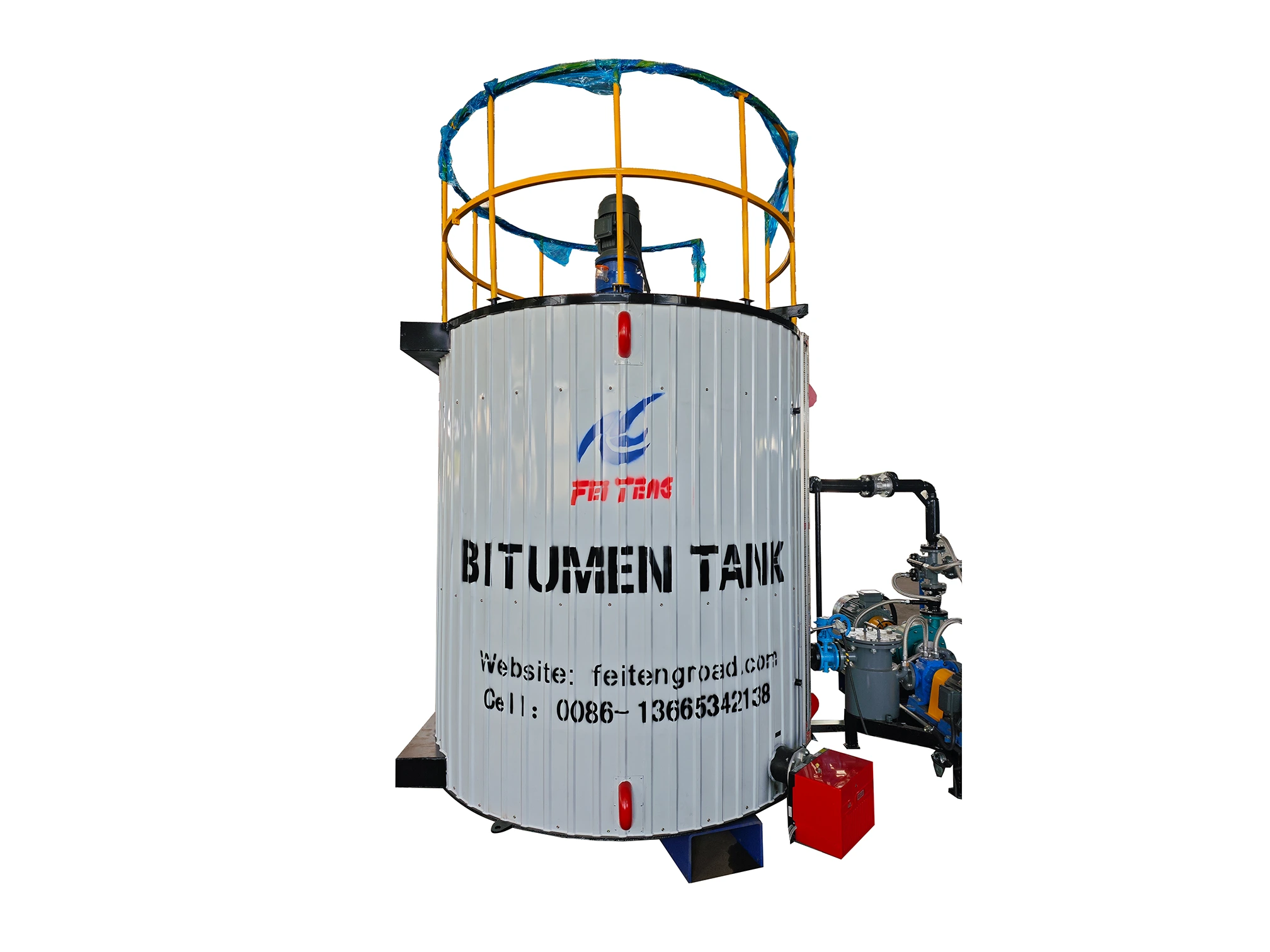
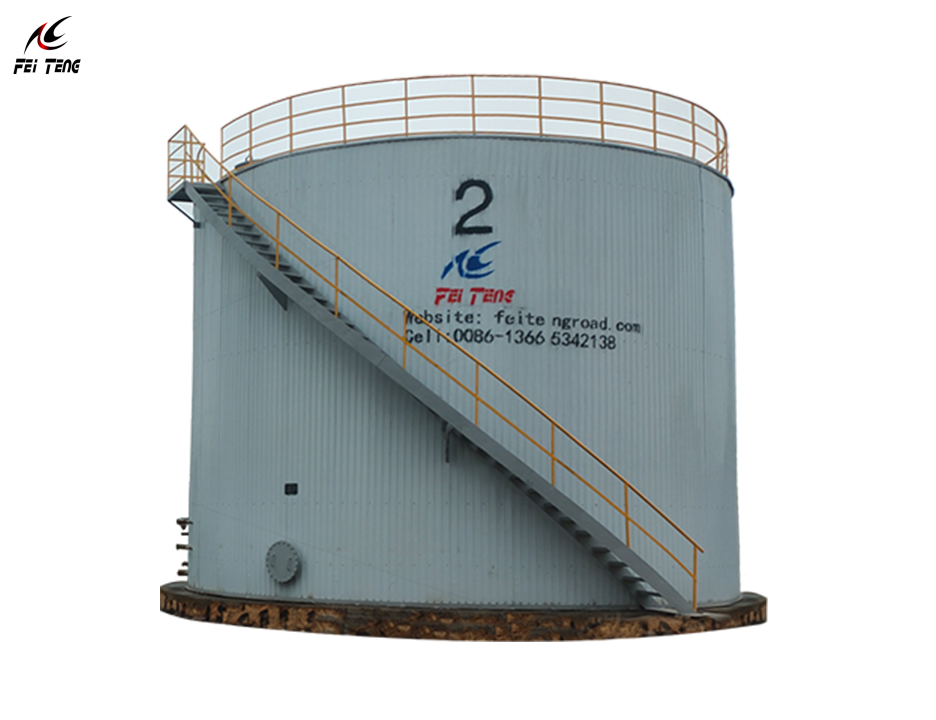
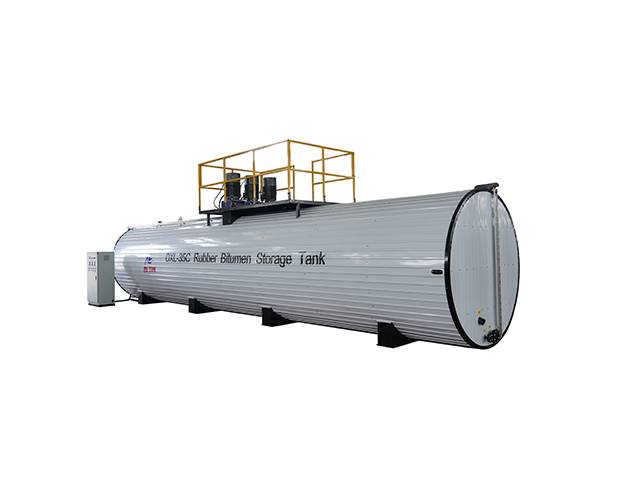
- بٹومین اسٹوریج ٹینک مائع بٹومین ہولڈنگ کے لئے
- تھرمل آئل بوائلر اگر ضرورت ہو تو مرکزی حرارت کی فراہمی کے لیے
ڈرم بٹومین پروجیکٹس کے لیے، ٹھیکیدار مشین کی مختلف اقسام کا موازنہ کر سکتے ہیں۔ دی ZYDST سیریز خودکار بٹومین پگھلنے والی مشین خودکار ڈرم ٹپنگ اور مربوط حرارتی ایپلی کیشنز کے لیے موزوں ہے۔ دی FDLT سیریز ڈرم بٹومین پگھلانے والی مشین بیرونی تھرمل آئل ہیٹنگ کا استعمال کرتے ہوئے منصوبوں کے لیے غور کیا جا سکتا ہے۔ اگر پراجیکٹ میں ڈرم کے بجائے بیگ سے بھرے بٹومین کا استعمال کیا جاتا ہے، YDLR سیریز بیگ بٹومین پگھلنے کا سامان ایک زیادہ مناسب انتخاب ہو سکتا ہے.
ڈرم بٹومین ڈیکنٹر آرڈر کرنے سے پہلے خریدار کی چیک لسٹ
مستقبل میں رکاوٹ اور آپریشن کے مسائل سے بچنے کے لیے، خریداروں کو کوٹیشن کی درخواست کرنے سے پہلے تفصیلی معلومات فراہم کرنی چاہیے۔
- بٹومین پیکیجنگ کی قسم: ڈرم، بیگ، یا بلک
- ڈھول کا سائز اور ڈھول کا اوسط وزن
- فی گھنٹہ ضروری پگھلنے کی صلاحیت
- مقامی محیطی درجہ حرارت
- دستیاب ایندھن کی قسم
- بجلی کی فراہمی اور وولٹیج
- ڈیکنٹر اور اسٹوریج ٹینک کے درمیان فاصلہ
- پائپ لائن کی لمبائی اور موصلیت کی ضرورت
- اسٹوریج ٹینک کا حجم
- آیا یہ نظام اسفالٹ مکسنگ پلانٹ فراہم کرتا ہے۔
- روزانہ کام کے اوقات
- سائٹ کی تنصیب کی جگہ اور بنیاد کی حالت
نتیجہ
بٹومین ڈرم ڈیکنٹر کی رکاوٹ عام طور پر کم درجہ حرارت، ناقص پائپ لائن ہیٹنگ، کولڈ پمپ اور والوز، نجاست، غلط شٹ ڈاؤن، یا سسٹم کی صلاحیت میں مماثل نہ ہونے کی وجہ سے ہوتی ہے۔ رکاوٹ کو روکنے کے لیے، ٹھیکیداروں کو درجہ حرارت کنٹرول، گرمی کا پتہ لگانے، مناسب فلٹریشن، درست آپریٹنگ طریقہ کار، اور سازوسامان کی مناسب ترتیب پر توجہ دینی چاہیے۔
ایک اچھی طرح سے ڈیزائن کیا گیا بٹومین پگھلنے کا نظام مستحکم مائع بٹومین سپلائی کو برقرار رکھنے، ڈاؤن ٹائم کو کم کرنے، اور سڑک کی تعمیر کے کاموں کی وشوسنییتا کو بہتر بنانے میں مدد کر سکتا ہے۔ اگر آپ کا پروجیکٹ ڈرم سے بھرے بٹومین کا استعمال کرتا ہے اور اسے مستحکم پگھلنے اور منتقلی کی کارکردگی کی ضرورت ہوتی ہے، تو صحیح بٹومین ڈیکنٹر کا انتخاب کرنا اور اسٹوریج سسٹم کو ملانا ضروری ہے۔
بٹومین ڈرم ڈیکنٹر کو منتخب کرنے میں مدد کی ضرورت ہے؟
ہمیں اپنے ڈرم کا سائز، پگھلنے کی مطلوبہ صلاحیت، ایندھن کی قسم، بجلی کی فراہمی، سائٹ لے آؤٹ، اسٹوریج ٹینک کا فاصلہ، اور پروجیکٹ کی درخواست بتائیں۔ Feiteng آپ کے سڑک کی تعمیر کے منصوبے کے لیے مناسب بٹومین پگھلانے والی مشین اور حرارتی نظام کی ترتیب تجویز کر سکتا ہے۔
اکثر پوچھے گئے سوالات
بٹومین ڈرم ڈیکنٹر کیوں بلاک ہو جاتا ہے؟
بٹومین ڈرم ڈیکنٹر کم بٹومین درجہ حرارت، خراب پائپ لائن ہیٹ ٹریسنگ، ٹھنڈے پمپ اور والوز، ڈرم کی باقیات، گندے فلٹرز، یا غلط بند طریقہ کار کی وجہ سے بلاک ہو سکتا ہے۔
میں بٹومین پمپ کی رکاوٹ کو کیسے روک سکتا ہوں؟
آپریشن سے پہلے پمپ کو پہلے سے گرم کریں، اس بات کو یقینی بنائیں کہ بٹومین مکمل طور پر پگھلا ہوا ہے اور پمپ کرنے کے قابل ہے، فلٹر کو باقاعدگی سے صاف کریں، اور جب انلیٹ سائیڈ بلاک ہو یا بہت ٹھنڈا ہو تو پمپ کو شروع کرنے سے گریز کریں۔
بٹومین کی منتقلی کے لیے پائپ لائن ہیٹ ٹریسنگ کیوں اہم ہے؟
بٹومین غیر گرم پائپ لائن میں تیزی سے ٹھنڈا ہو جاتا ہے۔ ہیٹ ٹریسنگ اور موصلیت بہاؤ کے درجہ حرارت کو برقرار رکھنے اور پائپ کے اندر بٹومین کے ٹھوس ہونے کے خطرے کو کم کرنے میں مدد کرتی ہے۔
کیا تھرمل آئل بوائلر رکاوٹ کو کم کرنے میں مدد کر سکتا ہے؟
جی ہاں مناسب تھرمل آئل بوائلر یا انٹیگریٹڈ تھرمل آئل ہیٹنگ سسٹم ڈیکنٹر، پائپ لائنز، پمپس اور اسٹوریج ٹینک کے لیے مستحکم حرارت فراہم کر سکتا ہے، جس سے ٹھنڈے دھبوں اور رکاوٹ کے امکانات کم ہوتے ہیں۔
کیا مجھے ہر روز فلٹر صاف کرنا چاہئے؟
فلٹر کی صفائی کی فریکوئنسی ڈرم کی حالت، بٹومین کے معیار اور آپریٹنگ اوقات پر منحصر ہے۔ اگر ڈرموں میں باقیات یا نجاستیں ہیں، تو فلٹر کا زیادہ کثرت سے معائنہ کیا جانا چاہیے۔
بٹومین ڈیکنٹر کو بند کرنے سے پہلے مجھے کیا کرنا چاہئے؟
بٹومین کی منتقلی کو مکمل کریں، آپریشن مکمل ہونے تک پمپ اور پائپ لائن کو گرم رکھیں، اور پائپ لائنوں، والوز اور پمپ چیمبرز کے اندر ٹھنڈے بٹومین کو چھوڑنے سے گریز کریں۔
کون سی مشین خودکار ڈرم بٹومین پگھلنے کے لیے موزوں ہے؟
ایسے پروجیکٹس کے لیے جن میں خودکار ڈرم ٹِپنگ اور مستحکم ڈرم فیڈنگ کی ضرورت ہوتی ہے، ZYDST Series Automatic Bitumen Melting Machine پر غور کیا جا سکتا ہے۔ بیرونی تھرمل آئل ہیٹنگ سسٹمز کے لیے، FDLT سیریز کا سامان بھی پروجیکٹ کی ترتیب کے لحاظ سے موزوں ہو سکتا ہے۔
 اردو
اردو  English
  Deutsch
  Español
  Tiếng Việt
  العربية
  Français
  Português
  Русский
  हिन्दी
  বাংলা
বাংলা  Українська
  Bahasa Indonesia