

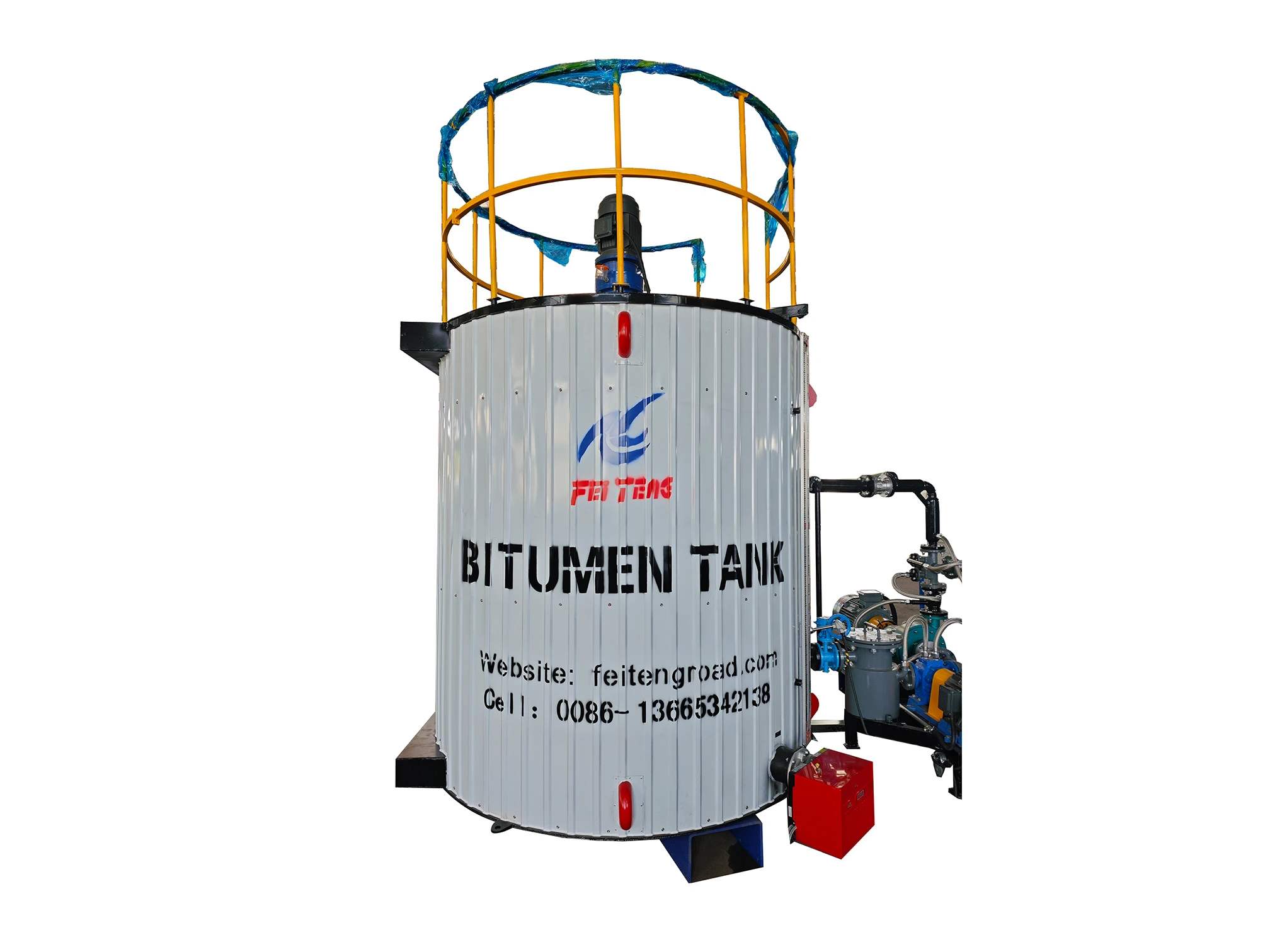
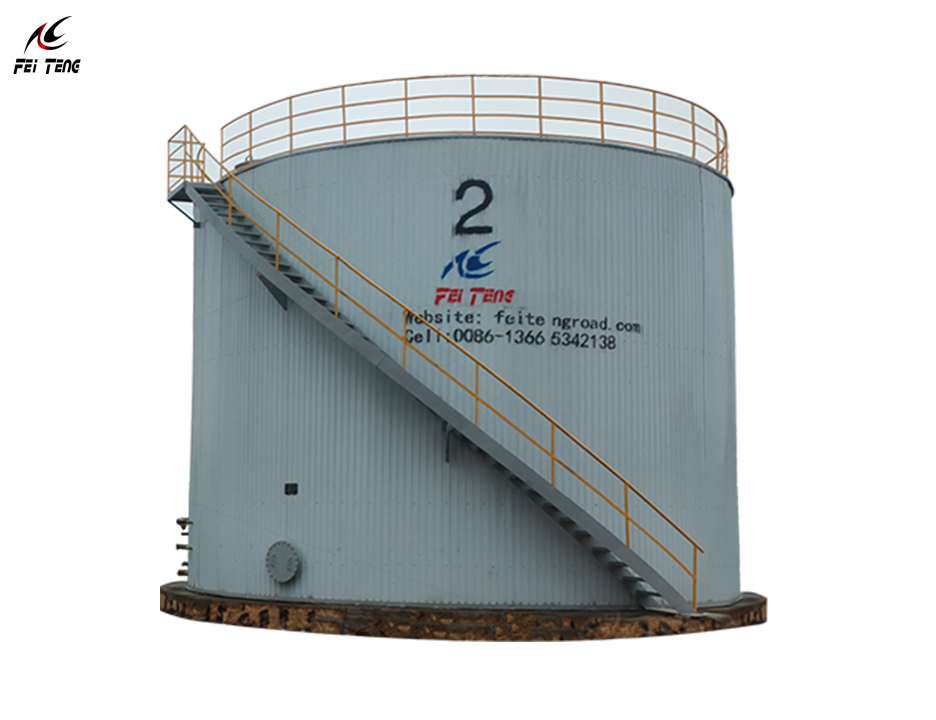


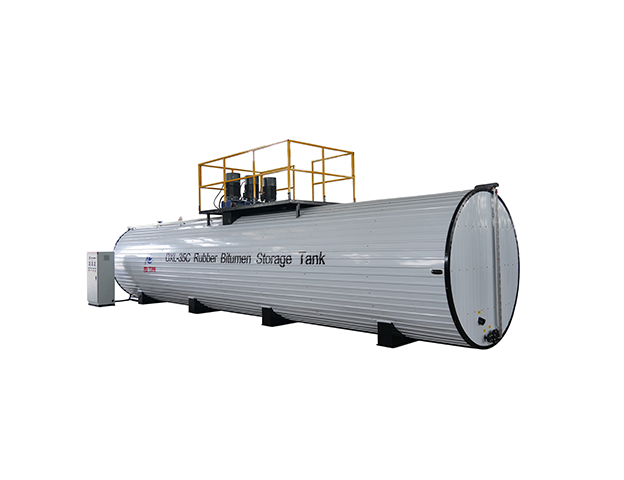
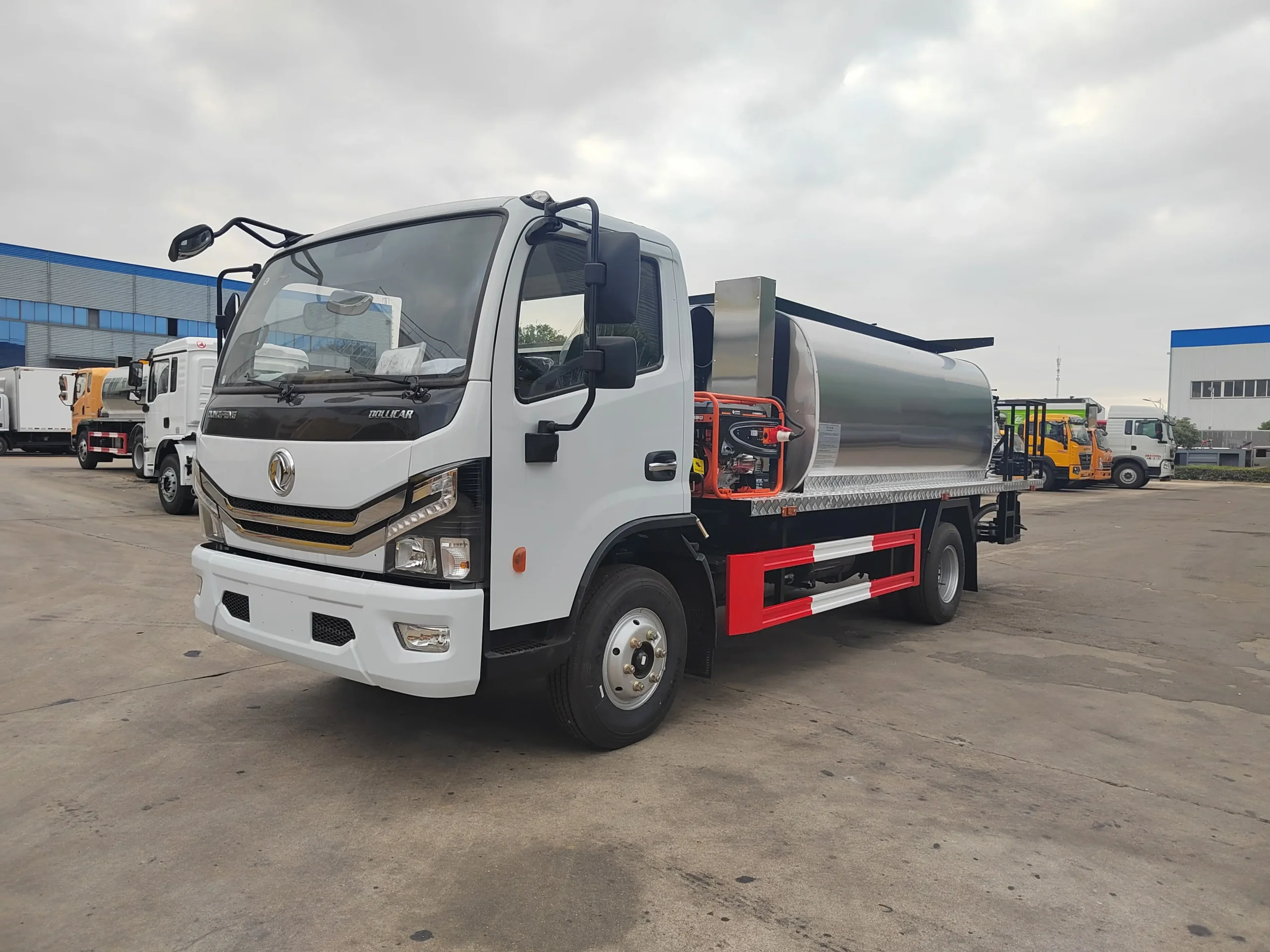


Mobile bitumen storage can mean a tank that is relocated between project sites, a trailer-mounted storage arrangement or a transport unit. Before comparing quotations, ask the supplier to define exactly how the proposed tank will be supported, operated and moved. A tank that can be delivered on a truck is not automatically suitable for transport while filled with hot bitumen.
For contractors planning a temporary asphalt production site, the useful starting point is a site-readiness checklist: required usable storage, incoming supply, heating duty, connections, operating space and the conditions for the next move. This guide explains what to put in that checklist before requesting a configuration.
1. Define What “Mobile” Means for Your Project
Describe the job the tank must perform rather than relying on the word “mobile.” Will it remain in one place for the whole contract? Will it move between sections of the same project? Must it travel on public roads? Will it operate independently or connect to a larger bitumen handling system?
| Proposed arrangement | Question to resolve | Evidence to request |
|---|---|---|
| Relocatable storage tank | How is it prepared for lifting, loading and reinstallation? | Approved transport condition, lifting arrangement and installation requirements. |
| Skid-mounted storage module | What supports and connections are needed during operation? | Operating loads, support details and interface drawing. |
| Trailer-mounted unit | What movement and operating conditions apply to this exact configuration? | Transport documentation, permitted mass and site support requirements. |
| Bitumen transport tanker | Is the unit intended and approved for the proposed transport duty? | Applicable vehicle and tank documentation for the route and material. |
For the distinction between container shipping, skid-mounted modules and freight-container units, read our containerized bitumen equipment guide. A container shipping arrangement alone does not establish permission to move a filled tank.
2. Specify Usable Storage and the Supply Buffer
Begin with the amount of bitumen the project must receive, hold and supply during the operating schedule. Give the supplier your expected daily demand, delivery frequency, binder grades and any planned interruptions in supply.
Ask the quotation to distinguish geometric tank volume from usable working capacity. Also confirm the operating levels and any allowance required for the proposed filling and discharge arrangement. A nominal capacity by itself does not explain how the storage system will serve the project.
- What is the expected binder consumption during normal and peak production?
- How much material arrives in each delivery, and how frequently?
- What buffer is needed if a delivery is delayed?
- Will different binder grades need separate storage?
- Will the tank receive hot liquid bitumen or material from a drum or bag melting machine?
Use our bitumen storage capacity calculation guide for the demand calculation. Keep the mobile-storage specification focused on how that requirement fits the proposed site and relocation plan.
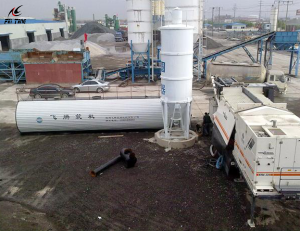
3. Separate Startup Heating from Temperature Holding
Tell the supplier the expected incoming material condition, required operating temperature, ambient conditions and available energy supply. Ask for the heating arrangement to be assessed against the actual duty, including startup and periods when the tank is waiting between production shifts.
For a temporary site, confirm the utilities before choosing equipment. Record the available electrical supply, fuel arrangements and whether an existing thermal oil system will be used. The quotation should identify the equipment included in the heating package and the connections or services that remain the buyer’s responsibility.
- Ask what conditions support any quoted heat-up time.
- Identify heating requirements for the tank, pump and connecting lines.
- Confirm the proposed controls, instrumentation and operating documentation.
- Request the assumptions behind any energy-use estimate.
For a closer look at insulation assumptions and temperature-holding duty, see the tank heat-loss and insulation guide. Compare energy estimates only when their operating assumptions and equipment boundaries are clear.
4. Prepare the Operating Location Before Delivery
Request the proposed general arrangement drawing and support information before finalizing the site layout. Have the project team review the operating mass, support loads, ground conditions, access and local requirements. A short project duration does not remove the need to check the support arrangement.
| Site item | What to confirm before delivery |
|---|---|
| Support location | Approved support points, loads, levels and anchorage requirements for the selected tank. |
| Delivery access | Vehicle access, unloading position and the proposed lifting or placement method. |
| Working space | Access to controls, valves, inspection points and components requiring maintenance. |
| Heating services | Power or fuel supply and any thermal oil connections required by the selected configuration. |
| Material connections | Incoming supply route, discharge route and the interface with other equipment. |
| Future relocation | Space and access needed to disconnect, prepare and remove the unit under its approved procedure. |
Assign an owner to each open item. Equipment supply, civil works, pipe installation, electrical connections and commissioning should have clear responsibility boundaries in the order documents.
5. Review Receiving, Storage and Discharge as One System
Describe where the bitumen comes from and where it goes next. A tank receiving from road tankers has a different project interface from one supplied by a drum decanter. Provide the proposed transfer distances, connection positions, material conditions and required transfer times for review.
Ask the supplier and project designer to confirm the pump duty, pipeline arrangement, heating provisions and receiving controls for the complete installation. Treat connection size and position as drawing items to approve, rather than details to resolve after delivery.
- Identify the incoming source and expected delivery arrangement.
- Show the tank, pump and downstream equipment on the site layout.
- Agree the included valves, instruments and connection scope.
- Define filling, transfer and operating responsibilities.
- Record the checks and documents required before startup.
لدينا دليل نظام مناولة البيتومين الكامل explains the wider relationship between receiving, melting, storage, heating and asphalt plant supply.
6. Agree the Relocation Conditions Before Ordering
Ask for the shutdown, preparation and transport requirements for the exact unit. Resolve these questions while comparing offers, especially when repeated site moves are part of the project plan.
- Must the tank be emptied before movement, and what retained-material limits apply?
- What material and equipment conditions are required before disconnection or lifting?
- Which components must be removed, secured or protected for transport?
- What transport mass, dimensions and centre-of-gravity information will be supplied?
- Which lifting points and handling methods are approved?
- What inspections and reconnection checks are required at the next site?
Use the manufacturer’s approved procedure and the project’s transport arrangements. A stationary storage specification should not be treated as authorization for loaded movement or public-road transport.
7. Send a Complete Mobile Bitumen Storage RFQ
A useful request for quotation makes the operating task and the relocation task equally clear. Include the following information so competing proposals can be compared on the same basis.
- مادة: binder type, incoming condition and supplier handling requirements.
- Storage duty: required usable capacity, daily consumption and delivery frequency.
- Heating duty: incoming and required temperatures, operating schedule and ambient conditions.
- Utilities: available power, fuel and external heating services.
- Interfaces: receiving source, discharge destination and proposed connection layout.
- Site information: destination, access constraints, support requirements and layout photographs.
- Relocation plan: expected move frequency, transport route and requested movement condition.
- Supply scope: tank, heating equipment, pumps, controls, accessories, installation and commissioning responsibilities.
- Documentation: drawings, operating instructions, inspection records and acceptance requirements.
Compare the defined configuration, exclusions and site work as well as the equipment price. Confirm production and delivery dates in the current project quotation.
الأسئلة الشائعة
Can a mobile bitumen storage tank travel while full?
Do not assume it can. Request written confirmation of the permitted transport condition for the exact unit, including material condition, mass and applicable transport documentation. A tank described as relocatable may be intended to move only after specified shutdown and preparation work.
Does mobile bitumen storage need a foundation?
The support arrangement depends on the equipment design and site conditions. Request operating loads and support details, then have the project team confirm the required ground preparation, supports and anchorage.
Is a mobile storage tank the same as a bitumen tanker?
The terms describe different project duties. Ask whether the proposed equipment is intended for site storage, relocation between sites or transport of material. Confirm the relevant operating and transport documentation before selecting it.
Which heating method should a temporary site use?
Provide the available utilities and required heating duty, then compare suitable configurations with the supplier. Include startup requirements, temperature holding, connecting equipment and installation scope in that comparison.
Discuss Your Site Storage Requirements with FEITENG
Review our مجموعة خزانات تخزين البيتومين, then send FEITENG your required working capacity, binder supply format, available heat source, site layout and expected relocation frequency. Ask for a project-specific configuration showing the proposed operating arrangement, connection scope and permitted transport conditions.
Use the enquiry form on this website to share your project requirements and request a configuration review.
 العربية
 English
 Deutsch
 Español
 Tiếng Việt
 Français
 Português
 Русский
 हिन्दी
 বাংলা
 Українська
 Bahasa Indonesia
 اردو