






In the road construction and asphalt mixing industry, thermal energy is one of the highest operational expenses. Keeping large volumes of bitumen at pumping temperatures (typically 140°C to 160°C) requires massive amounts of continuous energy. As global fuel prices fluctuate, contractors and asphalt plant operators are under increasing pressure to optimize their operations.
If your bitumen heating and storage systems rely on outdated technology or poor insulation, you are likely burning through your profit margins. Here is a comprehensive guide to identifying energy waste and upgrading your bitumen handling equipment for maximum efficiency.
1. The Hidden Costs of Inefficient Bitumen Heating
Before upgrading equipment, it is critical to understand where thermal energy is lost in a typical asphalt plant setup. The most common sources of heat loss include:
-
Degraded Tank Insulation: Over time, moisture and physical damage can compress or ruin the insulation layer on storage tanks, allowing heat to escape rapidly into the atmosphere.
-
Inefficient Burners: Older thermal oil heaters often use single-stage burners with poor air-to-fuel ratios, resulting in incomplete combustion and high exhaust temperatures.
-
Coil Scaling: As thermal oil breaks down over time, carbon deposits (coke) form inside the heating coils. This acts as an insulator, forcing the burner to consume more fuel to transfer the same amount of heat to the bitumen.
-
Open-Air Melting: Using rudimentary or unsealed decanting methods for drummed bitumen releases massive amounts of heat into the surrounding air.
2. Proven Engineering Strategies to Optimize Efficiency
To achieve a lean, cost-effective bitumen operation, contractors should focus on modernizing three core areas: thermal oil heating, storage tank engineering, and intelligent control systems.
Upgrade to Modulating Burners and Closed-Loop Heaters
The heart of any bitumen terminal is the thermal fluid heater. Modern thermal oil heating systems utilize modulating burners that adjust the flame size precisely to match the real-time heat demand of the plant. Unlike basic “on/off” burners that cause massive temperature swings and waste fuel during startup cycles, modulating systems maintain a steady, highly efficient burn. Furthermore, integrating exhaust gas economizers can capture waste heat from the chimney to pre-heat the combustion air, reducing fuel consumption by up to 10%.
Maximize Storage Tank Insulation
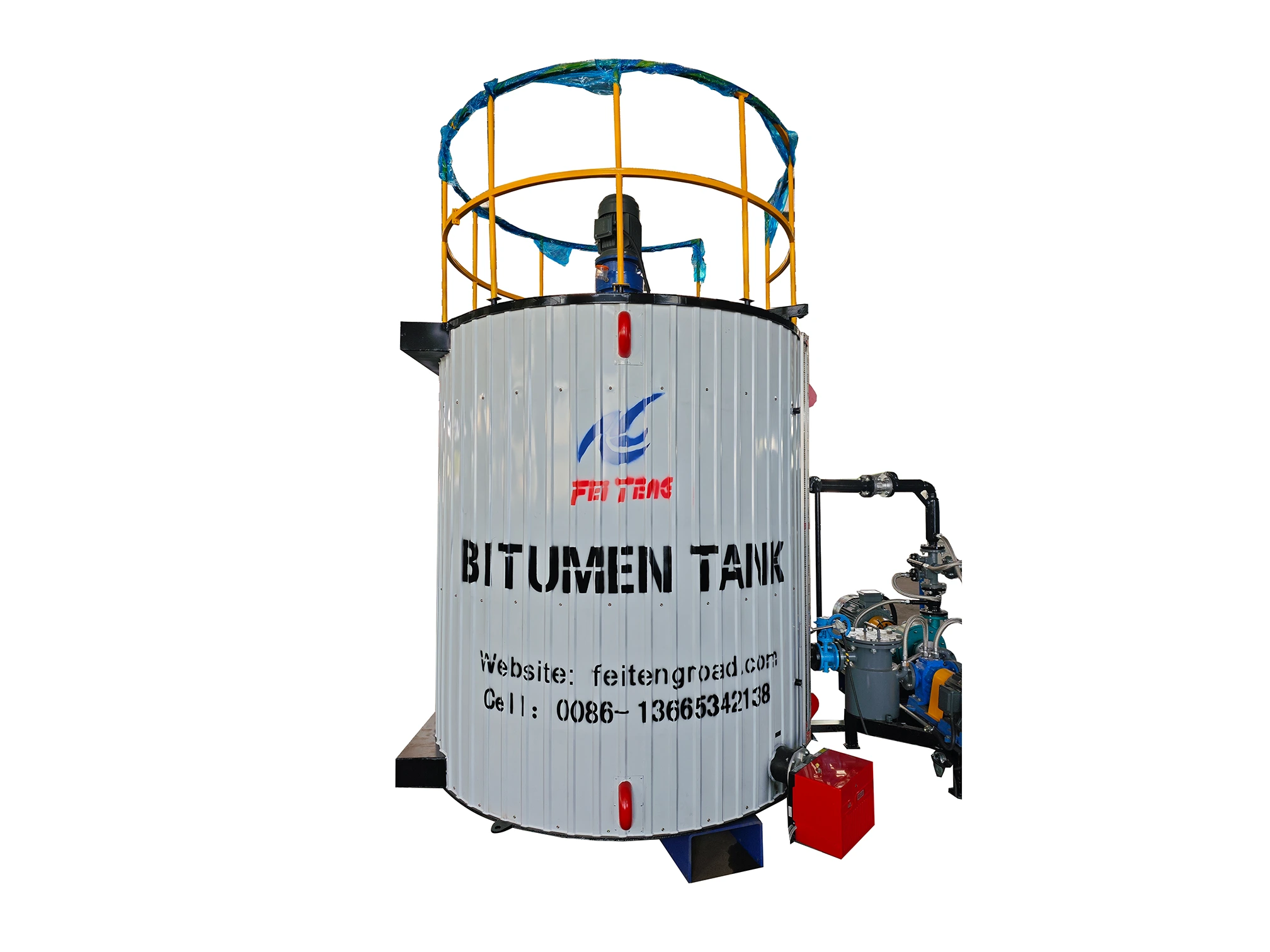
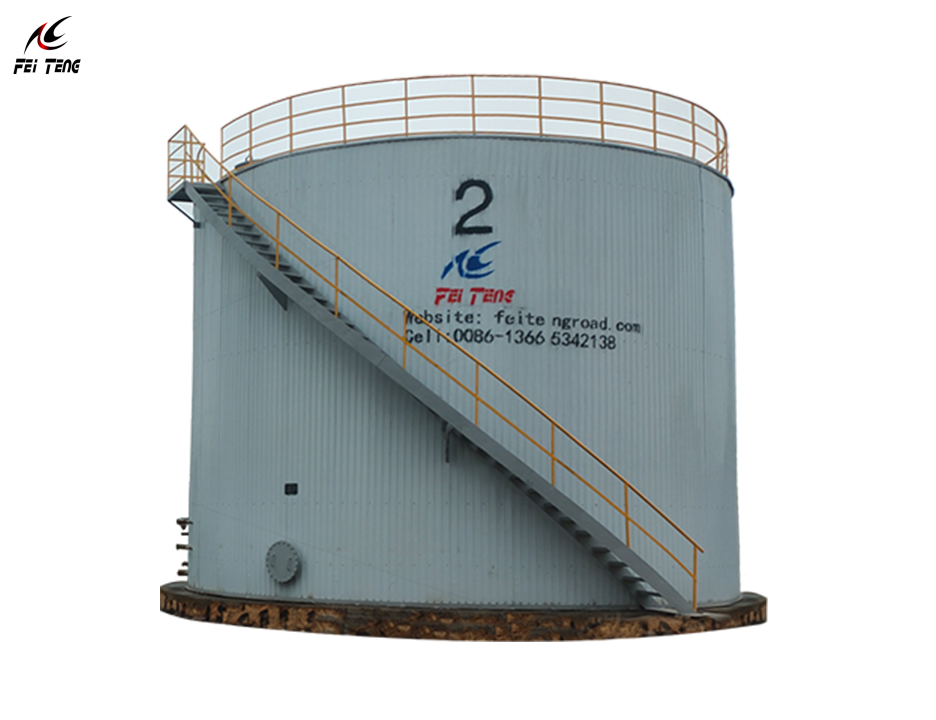
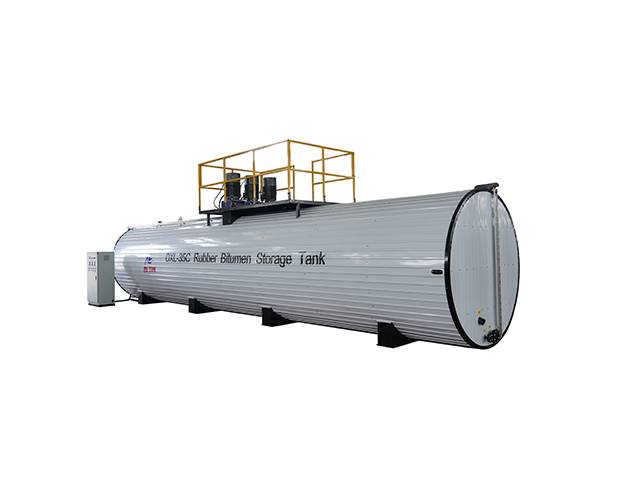
A high-quality bitumen storage tank should act like a giant thermos. When specifying new tanks for your facility, ensure they are wrapped in a minimum of 50mm to 100mm of high-density rock wool or aluminum silicate insulation. Pay special attention to thermal bridging—areas where internal steel structures connect directly to the outer shell without insulation. High-end equipment manufacturers eliminate these bridges and use galvanized or stainless steel cladding to protect the insulation from weather and physical damage.
Invest in High-Efficiency Bitumen Decanters
For regions where bulk liquid bitumen is unavailable, drummed or bagged bitumen is the standard. Melting this material is incredibly energy-intensive. Modern Bitumen Drum Decanters (such as continuous-melting ZYDST series) enclose the drums in a highly insulated chamber. They utilize a combination of radiant heat from thermal oil coils and conductive heat from a heated collection bath. By capturing and recycling the hot air within the melting chamber, these enclosed decanters use up to 30% less fuel per ton of melted bitumen compared to older, open-air melting grates.
Implement Automated PID Temperature Controls
Human error often leads to “over-cooking” bitumen. Heating bitumen beyond its required pumping or mixing temperature not only wastes expensive fuel but also degrades the quality of the binder, causing premature aging of the asphalt pavement. Automated PID (Proportional-Integral-Derivative) control panels continuously monitor the fluid temperature and adjust the thermal oil flow via motorized valves. This ensures the bitumen stays exactly at the target temperature—never too cold to pump, and never unnecessarily hot.
3. The Long-Term ROI of Upgrading
Investing in energy-efficient bitumen handling equipment offers returns that go beyond just the monthly fuel bill. Consistent, controlled heating prevents thermal degradation of polymer-modified bitumen (PMB) and emulsions. It also reduces wear and tear on bitumen pumps and piping by ensuring material is always at the optimal viscosity before transfer operations begin.
Ultimately, an optimized bitumen heating system transforms a major operational liability into a competitive advantage. When you use less fuel to produce a ton of asphalt, you can bid more aggressively on road projects while maintaining healthy profit margins.
Ready to cut your asphalt plant’s energy costs? FEITENG Road Construction Equipment specializes in designing and manufacturing highly efficient thermal oil heaters, insulated bitumen storage tanks, and advanced drum melting decanters tailored to your specific project needs.
-
Explore our equipment: www.bitumenmachine.com
-
Email our engineering team: [email protected]
-
WhatsApp / Direct Support: +86 15335447006
 Français
  English
  Deutsch
  Español
  Tiếng Việt
  العربية
  Português
  Русский
  हिन्दी
  বাংলা
বাংলা  Українська
  Bahasa Indonesia
  اردو
اردو