

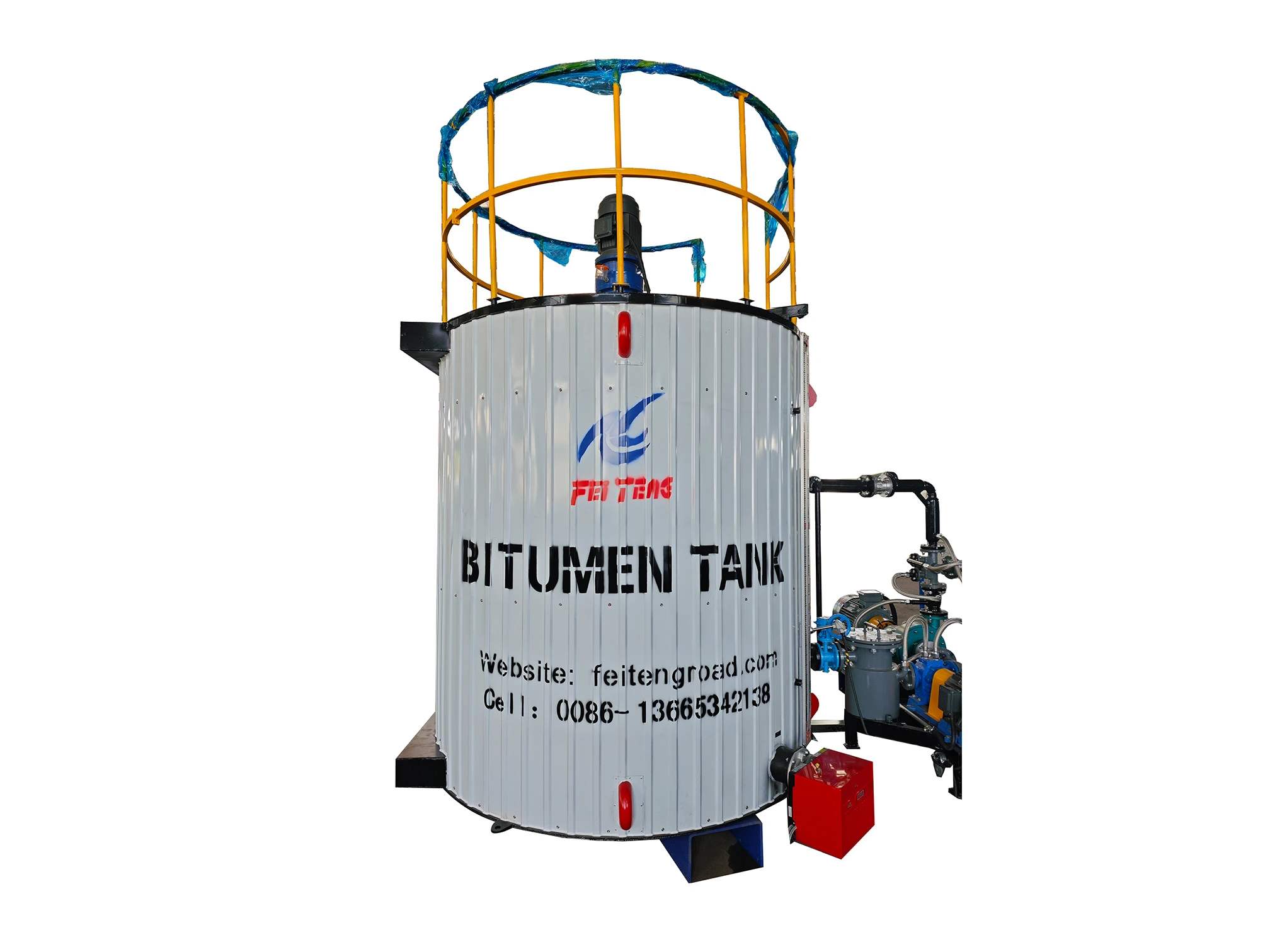
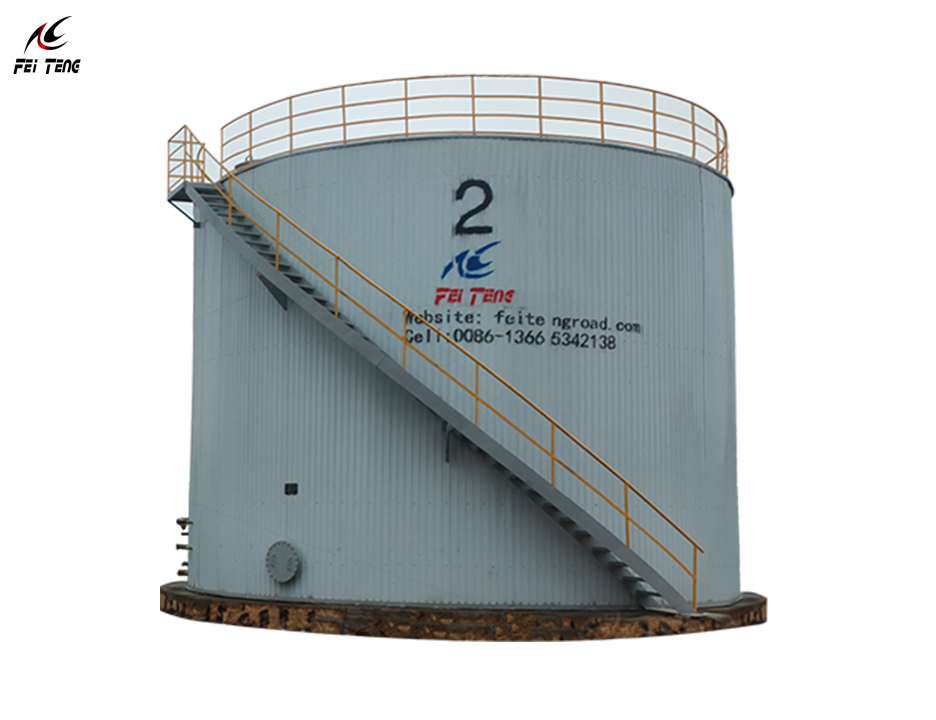


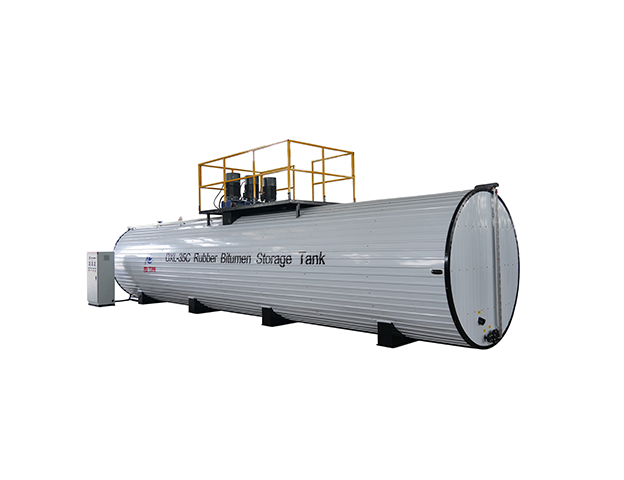


A normal thermal-oil temperature reading does not, by itself, show how much heat is reaching the bitumen. When a storage tank heats slowly, the useful question is where the heating process differs from its normal operating condition: at the heater, in the circulation loop, across the tank heating surface, or in the material being heated.
This guide explains what information to collect before requesting service or a heating-system modification. It applies to tanks heated through a thermal-oil circuit. Direct-fired tanks and other heating arrangements require their own equipment-specific assessment.
Start with the operating record, not a higher setpoint
Compare the slow-heating run with a previous satisfactory run, if one is available. Record the bitumen grade, quantity, starting temperature, target temperature, ambient conditions and elapsed time. Include deliveries, withdrawals and the other equipment connected to the heating circuit during that period.
Check what the displayed temperature actually represents. A heater outlet sensor, a tank inlet sensor and a bitumen temperature sensor measure different points. Ask the responsible technician to verify sensor identification and measurement accuracy before interpreting the readings.
Use the approved operating limits for the actual binder, thermal fluid and equipment. Do not raise temperature limits or bypass protective controls to compensate for an unexplained heating delay. Inspection, isolation and maintenance should follow the manufacturer’s instructions and the site’s procedures.
1. Confirm that the heating duty has not changed
Separate a change in operating duty from a loss of equipment performance. Has the tank received more material, colder material or a different binder? Is a shorter heating time now required? Has another tank or process line been added to the same heat source?
Prepare two operating records with the same units and measurement points. If the runs are materially different, ask for a revised heating-duty assessment rather than assuming that the original heating time remains applicable.
The existing Guide sur les pertes de chaleur et l'isolation des réservoirs provides a related starting point for discussing heat losses. A site assessment should also account for the actual heating task and connected equipment.
2. Review circulation and the path through the tank
Ask a qualified technician to compare circulation performance with the system’s design and commissioning records. Useful information includes measured flow where available, pump operating data, pressure readings at identified points and the valve arrangement shown on the approved circuit drawing.
In thermal-fluid systems, restrictions, pump problems and incorrect valve arrangements are possible causes of reduced circulation. A normal heater temperature indication does not rule them out. MultiTherm’s thermal-fluid troubleshooting guide also discusses slow response associated with mismatched heaters and heat users.
Treat these possibilities as inspection questions, not a diagnosis from one gauge reading. Ask whether the flow path has changed since commissioning, whether a bypass is part of the intended operating arrangement, and whether maintenance records identify recurring restrictions. Do not adjust bypasses or open strainers on a hot operating system as a trial fix.
3. Compare heater and tank readings together
Collect timestamped temperatures at the locations already provided by the installation: heater supply and return, tank-circuit supply and return, and the available bitumen measurement points. Record the operating state of the heater and circulation pump alongside them.
Give this complete record to the equipment supplier. A supply/return temperature difference needs to be interpreted together with flow, operating duty, instrument location and measurement reliability. Avoid applying a universal temperature-difference threshold to every tank.
If the system serves several consumers, identify which branches were operating during the test. Ask whether a controlled comparison can be made under the approved operating procedure. The objective is to establish where the available heating is being used, without changing protective settings.
4. Investigate the heat-transfer surface and thermal-fluid condition
If heating has gradually deteriorated under comparable operating conditions, ask the maintenance team to review the tank heating surfaces, the circuit’s service history and the condition of the thermal fluid.
Thermal-fluid degradation and deposits can affect system performance. Appearance alone is not a complete condition assessment. Ask the fluid supplier which analysis is appropriate and how the results should be compared with the specified fluid and previous samples. See Paratherm’s thermal-fluid resources for background on fluid condition and system cleanliness.
Any proposed cleaning, fluid replacement or internal inspection should be planned for the actual installation. Do not select a cleaning chemical, mixing fluid or replacement procedure solely from a general online article.
5. Check the tank and transfer system as separate observations
Distinguish “the tank is not reaching temperature” from “the material will not transfer as expected.” Record where the problem is observed: the tank temperature display, the discharge point, the transfer line or the receiving plant.
If the tank record appears normal but transfer remains slow, include the pump and line operating information in the service request. The existing bitumen pipeline heat-tracing guide is relevant to reviewing the transfer-line arrangement.
Also record the condition of insulation and cladding, any recent damage, and changes to exposed piping. Keep the binder manufacturer’s handling requirements available, especially when the material differs from the original design basis.
A practical record for the service team
| Record | Information to include | Question it helps address |
|---|---|---|
| Material and loading | Binder grade, quantity, starting condition, delivery and withdrawal times. | Is the current run comparable with the earlier baseline? |
| Heating timeline | Timestamped readings, target temperature and elapsed heating time. | When did the heating pattern change? |
| Temperature locations | Sensor identifiers and their positions on a marked drawing. | Are the readings describing the same part of the system? |
| Circulation | Available flow and pressure measurements, pump data and approved valve arrangement. | Does circulation match the documented design condition? |
| Other consumers | Tanks, lines and equipment operating on the same heat source. | Has the simultaneous duty or distribution changed? |
| Maintenance history | Fluid analysis, service work, restrictions, alarms and replaced components. | Is there evidence of deterioration or a recent change? |
| Site observations | Insulation condition, ambient conditions and accessible photographs. | What additional losses or site constraints need assessment? |
When should you consider a larger heater?
Consider a capacity change after the responsible engineer has reviewed the required duty, measurement reliability, circulation, heat-transfer surfaces and current equipment condition. Ask the proposal to state its design assumptions, simultaneous consumers, required heating time and integration requirements.
A replacement proposal should explain what problem it addresses and what site work it requires. Request a documented assessment rather than choosing a heater only from the tank’s nominal volume or the highest available temperature setting.
Send a heating-performance brief to FEITENG
Use the contact page to provide your tank and heater model, binder information, operating timeline, circuit drawing and available measurements. Include any recent equipment or process changes.
Ask for a review of the available evidence and the additional checks needed for your installation. A useful starting record makes it easier to discuss whether the next step is instrumentation verification, maintenance, a circulation assessment or an engineering review of heating capacity.
 Français
 English
 Deutsch
 Español
 Tiếng Việt
 العربية
 Português
 Русский
 हिन्दी
 বাংলা
 Українська
 Bahasa Indonesia
 اردو