
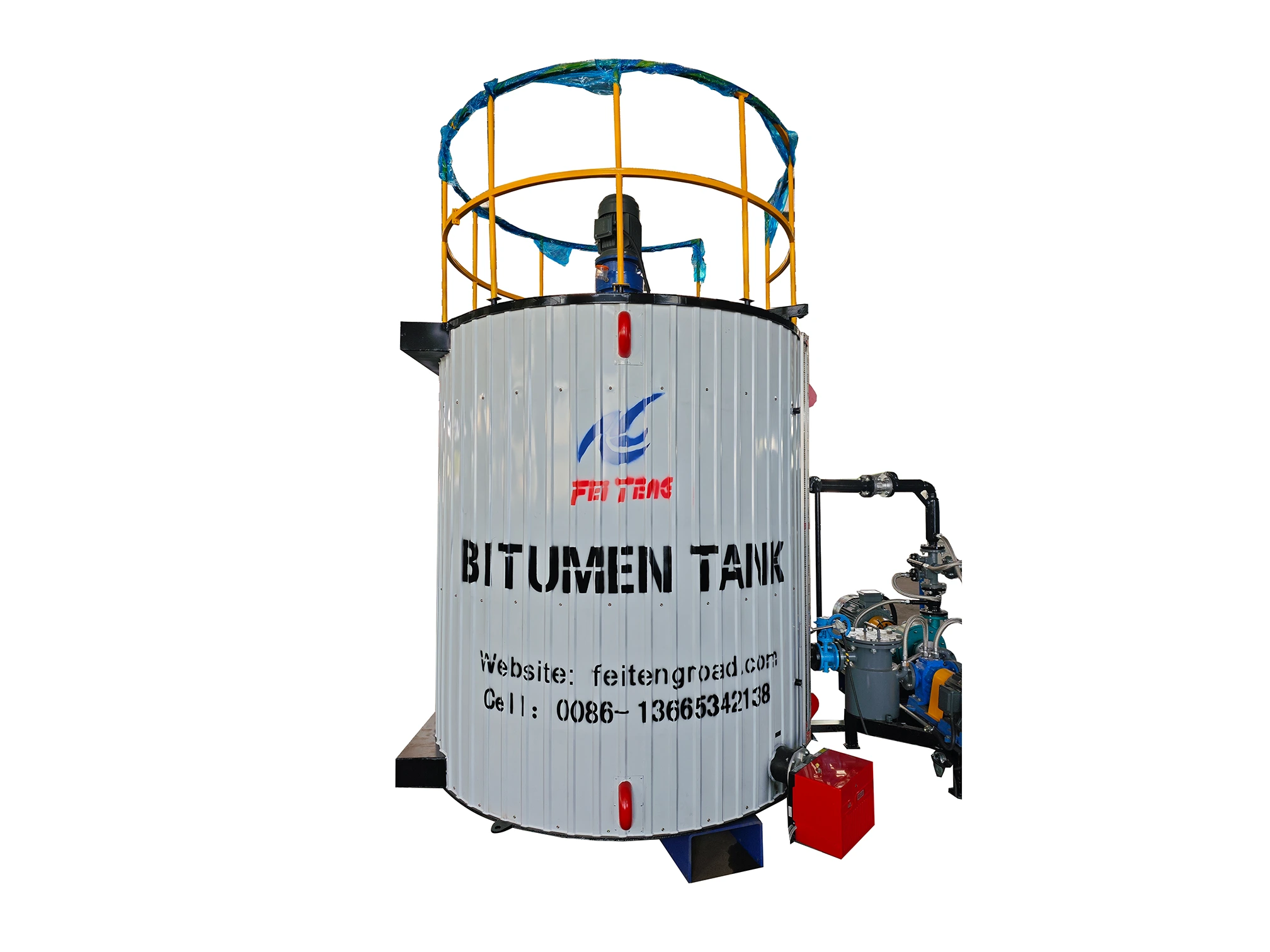


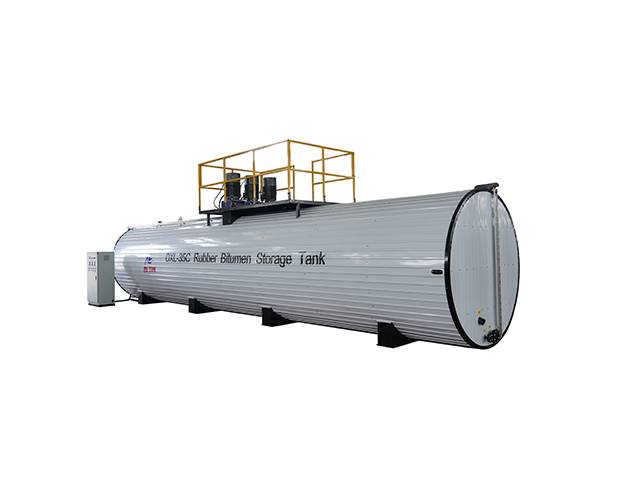
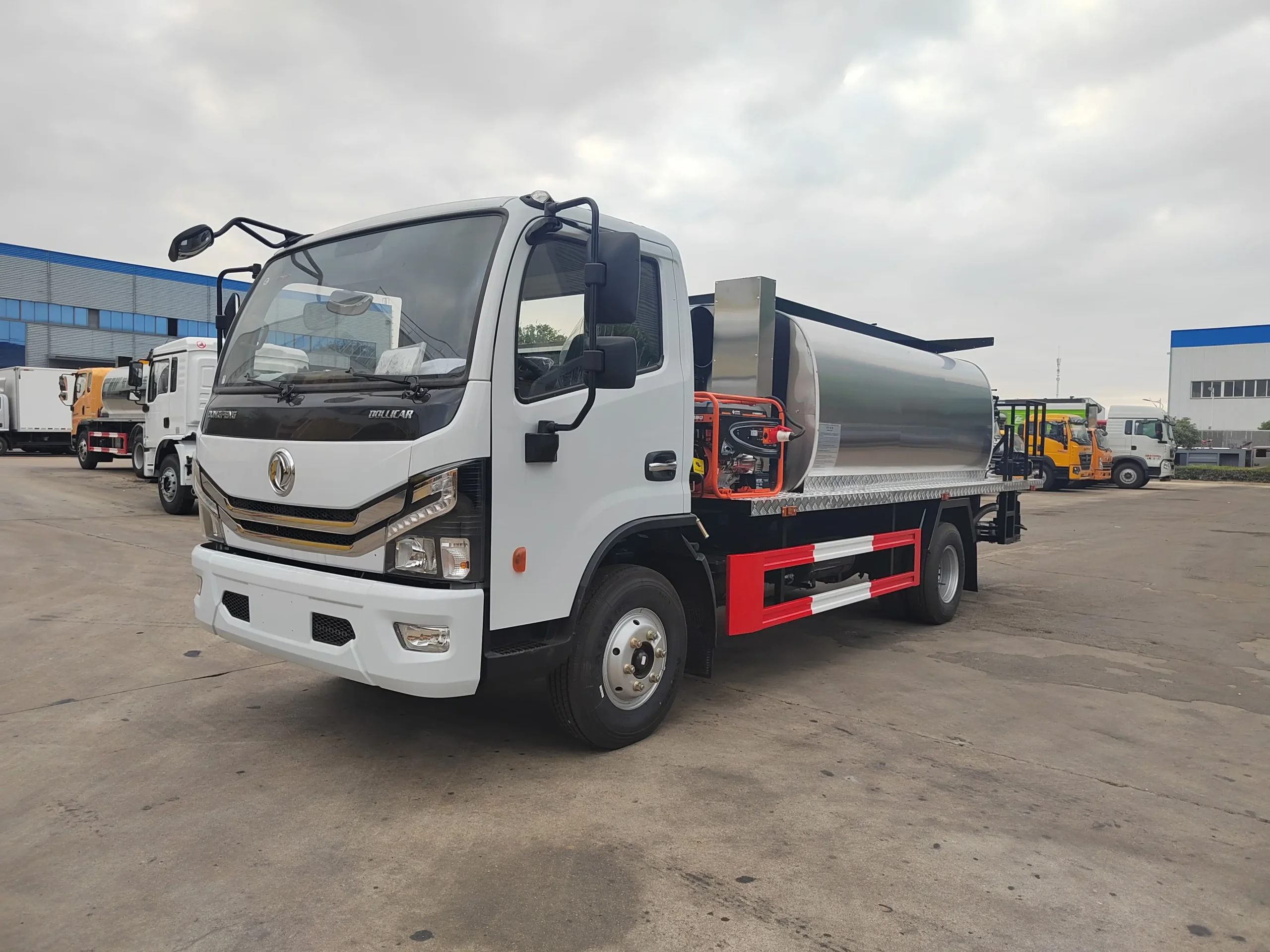



Ask three suppliers for a quote on “a 40m³ bitumen storage tank” and you may receive three numbers that differ by 50% or more. The tank size is the same – so where does the gap come from? After 15+ years of building bitumen tanks in Dezhou and shipping them to projects across Asia, Africa, the Middle East and Europe, we can tell you: the price is rarely about the steel. It is about what heats the tank, what pumps it, and what happens to your fuel bill for the next ten years.
This guide breaks down real 2026 price ranges by configuration, the five factors that actually move a quotation, and the hidden costs that make the cheapest tank the most expensive one you can buy.
त्वरित संदर्भ: 2026 में बिटुमेन भंडारण टैंक की कीमतों की संभावित सीमाएँ
The following are typical EXW factory reference ranges for standard export configurations. Final pricing depends on capacity, steel market conditions and accessories – treat these as planning numbers, not quotations.
| Tank Configuration | विशिष्ट क्षमता | Reference Price (EXW) |
|---|---|---|
| Thermal-oil heated tank (external boiler required) | 30-50 m³ | from ~US$15,000 |
| Electric heating tank (no burner, no boiler) | 35-45 m³ | from ~US$20,000 |
| Double heating tank (burner + thermal oil, self-contained) | 35-42 m³ | from ~US$25,000 |
| Rubber / modified bitumen storage tank (with agitation) | ~28 m³ | from ~US$45,000 |
| Site-assembled vertical tank (SKD shipping) | 500-3,000+ t | custom quotation |
Notice the pattern: capacity alone explains very little. A 35 m³ electric tank can cost more than a 50 m³ thermal-oil tank. The heating system is the real price driver – which brings us to the five factors.
The 5 Factors That Actually Move the Price
1. Heating method – the biggest single factor
A tank with no built-in heat source (heated by your existing thermal oil boiler) is always the cheapest to buy. Add electric heating elements and the price rises with installed kilowatts. Add a diesel or gas burner with a combustion chamber, flue tubes and thermal oil circulation – a true double heating system – and you are buying a small heating plant together with the tank.
The right choice depends on your site, not the price list: if a boiler already serves your plant, don’t pay for a second heat source. If the site has no infrastructure, a self-contained burner tank is cheaper than building a boiler room. If grid power is cheap and stable, electric heating removes fuel logistics entirely.
2. Capacity – but not the way you think
Steel tonnage scales with volume, but the cost per cubic meter drops as tanks get bigger: pumps, control cabinets, valves and burners cost nearly the same on a 30 m³ tank as on a 50 m³ tank. If your project may grow, the extra 10-20 m³ now is far cheaper than a second tank later. Above roughly 100 m³, road-transportable tanks give way to site-assembled vertical tanks, which are priced per project.
3. Insulation specification
50 mm rock wool is the export standard; 100 mm and premium materials cost more upfront and pay it back in fuel. A well-insulated tank loses less than 10% of its temperature difference overnight – a poorly insulated one can burn through the price difference in one or two heating seasons. When comparing quotes, always ask for the insulation thickness and material; this is where cheap tanks quietly save their money.
4. Pumps, heat tracing and accessories
An insulated bitumen pump, thermal-oil heat tracing for pipelines, a flow meter for documented loading, unloading troughs, level gauges – each adds real money and each removes a specific operational headache (a blocked cold pipeline can stop a plant for a morning). For modified and rubber bitumen, agitation systems are not optional: crumb rubber settles within hours in a still tank, which is why rubber bitumen storage tanks sit in a higher price class.
5. Component brands and certification
An Italian Baltur burner, Schneider electrical components, branded pumps, CE/EAC certification – these raise the quotation by a few percent and change the spare-parts situation for the next decade. A no-name burner saves money on day one; finding its ignition controller in Uganda or Kazakhstan three years later is another story.

The Hidden Costs of a Cheap Tank
The lowest quotation usually economizes in four invisible places: thinner steel plate (4 mm instead of 5 mm body), minimal insulation, no burner-pump safety interlocks, and unbranded electrical components. None of these show in a photo. All of them show up later – as fuel bills, as a burner firing into stagnant oil, as downtime waiting for parts. When two quotes differ sharply, ask both suppliers for the plate thickness, insulation spec, component brands and safety interlock logic. The gap will explain itself.
Landed Cost: Buying a Bitumen Tank from China
The EXW price is only part of your real cost. For planning purposes: most 30-50 m³ tanks are dimensioned to load into one 40 HQ container (container-friendly design is worth confirming before you order), production time is typically around 20 days after down payment, and standard terms are T/T with 30% deposit, or L/C. FOB/CFR/CIF quotations are available if you prefer the supplier to handle freight. Larger vertical tanks ship SKD (semi-knocked-down) in standard containers and are assembled on site.
One more planning item: if your tank needs an external boiler, size it properly before ordering – our guide on calculating thermal oil heater capacity walks through the math.
How to Get an Accurate Quote (Not a Guess)
Send the supplier these eight items and you will receive a real engineering quotation instead of a placeholder number: required capacity, bitumen type and working temperature, available heat source (boiler / grid power / fuel), unloading method, pump flow requirement, pipeline heat tracing needs, destination port, and local voltage. With this list, our engineers return a sized configuration and firm quotation within 24 hours.
अक्सर पूछे जाने वाले प्रश्न
Why do quotes for the same tank size differ so much?
Because “same size” hides different heating systems, steel thickness, insulation, pumps and component brands. Compare specifications line by line, not headline prices.
What is the cheapest bitumen storage tank option?
A thermal-oil heated tank without a built-in burner – but only if your site already has a boiler. Otherwise a self-contained double heating tank is usually cheaper than tank plus new boiler.
How long does production and delivery take?
About 20 days of production after down payment, plus sea freight. Standard tanks ship in one 40 HQ container.
What warranty should I expect?
One year on quality is the industry standard, with online commissioning support. Ask whether engineer dispatch to site is available – for us, it is.
Get a Real Price for Your Project
Feiteng has manufactured bitumen storage and heating equipment since 2007, with tanks delivered to projects in Vietnam, Kenya, Russia, Tajikistan, the Middle East and beyond. Send us your capacity, heat source and destination – and get an engineering quotation within 24 hours.
Request a quotation >> or WhatsApp us at +86 153 3544 7006.
-
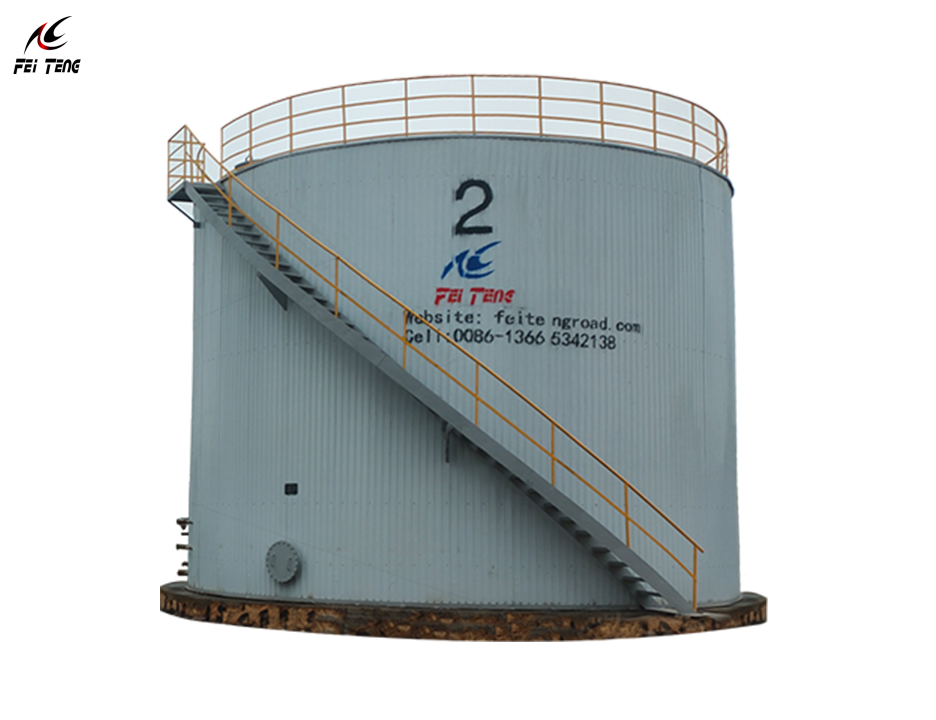
500 वर्ग मीटर का ऊर्ध्वाधर बिटुमेन भंडारण टैंक
-

दोहरी ताप प्रणाली वाला YDL-40F डीजल बर्नर बिटुमेन भंडारण टैंक
-

YZSL सीरीज डबल हीटिंग बिटुमेन स्टोरेज टैंक | FEITENG
 हिन्दी
  English
  Deutsch
  Español
  Tiếng Việt
  العربية
  Français
  Português
  Русский
  বাংলা
বাংলা  Українська
  Bahasa Indonesia
  اردو
اردو