






एक विश्वसनीय एस्फाल्ट मिक्सिंग प्लांट सप्लाई सिस्टम को डिजाइन करने में सही बिटुमेन पाइपलाइन व्यास का चयन करना एक महत्वपूर्ण हिस्सा है।
बहुत छोटी पाइपलाइन से प्रवाह की गति अत्यधिक हो सकती है, दबाव में अधिक हानि हो सकती है, पंप पर भार बढ़ सकता है और बिटुमेन की आपूर्ति अस्थिर हो सकती है। अनावश्यक रूप से बड़ी पाइपलाइन से सामग्री की लागत, ऊष्मा हानि वाली सतह का क्षेत्रफल, थर्मल ऑयल की मांग, इन्सुलेशन की लागत और पाइपलाइन बंद होने के बाद उसमें बचे बिटुमेन की मात्रा बढ़ जाती है।
अतः, आवश्यक बिटुमेन प्रवाह दर, सामग्री की चिपचिपाहट, परिचालन तापमान, पाइपलाइन की लंबाई, पंप की विशेषताओं और स्वीकार्य प्रवाह वेग के अनुसार सही पाइप आकार का चयन किया जाना चाहिए।
यह गाइड बताती है कि एस्फाल्ट मिक्सिंग प्लांट के लिए प्रारंभिक बिटुमेन पाइपलाइन का व्यास कैसे निर्धारित किया जाए और अंतिम पाइप का आकार चुनने से पहले किन अतिरिक्त कारकों की जांच की जानी चाहिए।
बिटुमेन पाइपलाइन का व्यास क्यों मायने रखता है?
एक गर्म बिटुमेन स्थानांतरण प्रणाली को एक ही समय में दो कार्य करने होते हैं:
- एस्फाल्ट संयंत्र को बिटुमेन की आवश्यक मात्रा पहुंचाएं।
- स्थानांतरण प्रक्रिया के दौरान सामग्री को गर्म और पंप करने योग्य बनाए रखें।
यदि पाइप का व्यास बहुत छोटा है, तो समान प्रवाह दर को कम अनुप्रस्थ काट क्षेत्रफल से होकर गुजरना होगा।
इससे द्रव का वेग बढ़ता है और सामान्यतः हाइड्रोलिक प्रतिरोध भी बढ़ता है।
परिणाम में निम्नलिखित शामिल हो सकते हैं:
- उच्च पंप अंतर दबाव
- उच्च मोटर लोड
- वास्तविक पंप प्रवाह में कमी
- वाल्वों और फिल्टरों पर अधिक दबाव
- अधिक कठिन प्रणाली नियंत्रण
- बिटुमेन का तापमान कम होने पर परिचालन संबंधी समस्याओं का खतरा बढ़ जाता है।
हालांकि, बहुत बड़ी पाइपलाइन चुनना अपने आप में बेहतर नहीं होता।
एक बड़े पाइप में अधिक बिटुमेन होता है और उसका बाहरी सतह क्षेत्र भी अधिक होता है। इससे गर्म होने में लगने वाला समय, ऊष्मीय हानि, इन्सुलेशन की आवश्यकताएं और स्टैंडबाय अवधि के दौरान गर्म रहने वाली सामग्री की मात्रा बढ़ सकती है।
इसलिए उद्देश्य एक ऐसा व्यावहारिक व्यास चुनना है जो हाइड्रोलिक प्रदर्शन, थर्मल प्रदर्शन और उपकरण लागत के बीच संतुलन बनाए रखे।
चरण 1: आवश्यक बिटुमेन प्रवाह दर निर्धारित करें
पाइपलाइन का आकार तय करना प्रवाह दर से शुरू होता है।
आवश्यक बिटुमेन प्रवाह दो अलग-अलग परिचालन स्थितियों से प्राप्त किया जा सकता है:
- निरंतर डामर संयंत्र की खपत
- टैंकों या उपकरणों के बीच बैच स्थानांतरण
निरंतर डामर उत्पादन के लिए, प्रारंभिक बिटुमेन की मांग की गणना इस प्रकार की जा सकती है:
बिटुमेन का द्रव्यमान प्रवाह = एस्फाल्ट संयंत्र का उत्पादन × बिटुमेन की मात्रा
उदाहरण के लिए, मान लीजिए:
- एस्फाल्ट संयंत्र का उत्पादन: 160 टन/घंटा
- बिटुमेन की मात्रा: 5%
प्रति घंटे बिटुमेन की आवश्यकता इस प्रकार है:
160 × 0.05 = 8 टन/घंटा
इसे आयतनिक प्रवाह में परिवर्तित करने के लिए:
बिटुमेन का आयतन प्रवाह = बिटुमेन का द्रव्यमान प्रवाह ÷ बिटुमेन का घनत्व
0.98 t/m³ के उदाहरण स्वरूप घनत्व का उपयोग करते हुए:
8 ÷ 0.98 ≈ 8.16 m³/h
अत: सैद्धांतिक रूप से निरंतर बिटुमेन प्रवाह लगभग 8.16 घन मीटर/घंटा है।
बिटुमेन की वास्तविक घनत्व की जानकारी बिटुमेन आपूर्तिकर्ता या परियोजना सामग्री के आंकड़ों से प्राप्त की जानी चाहिए क्योंकि घनत्व ग्रेड और तापमान के साथ बदलता रहता है।
चरण 2: प्रवाह दर को घन मीटर प्रति सेकंड में परिवर्तित करें
पाइपलाइन के वेग की गणना आमतौर पर घन मीटर प्रति सेकंड में की जाती है।
यदि आवश्यक प्रवाह 8.16 घन मीटर/घंटा है:
8.16 ÷ 3600 ≈ 0.00227 m³/s
यही प्रवाह मान पाइप के व्यास की गणना में उपयोग किया जाता है।
चरण 3: प्रारंभिक डिज़ाइन वेग का चयन करें
पाइप का व्यास प्रवाह दर और लक्ष्य वेग दोनों पर निर्भर करता है।
मूल संबंध इस प्रकार है:
Q = A × V
कहाँ:
- क्यू = आयतनिक प्रवाह दर
- ए = पाइप का आंतरिक अनुप्रस्थ काट क्षेत्रफल
- वी = बिटुमेन वेग
उपयुक्त वेग को प्रत्येक बिटुमेन प्रणाली के लिए एक सार्वभौमिक मान के रूप में नहीं माना जाना चाहिए।
पर निर्भर करता है:
- बिटुमेन की चिपचिपाहट
- परिचालन तापमान
- पाइपलाइन की लंबाई
- पंप प्रकार
- उपलब्ध अंतर दबाव
- पाइप हीटिंग विधि
- चाहे यह लाइन स्थानांतरण के लिए हो या आवागमन के लिए।
प्रारंभिक इंजीनियरिंग के लिए, डिजाइनर आमतौर पर कई संभावित वेगों का मूल्यांकन करते हैं और फिर परिणामस्वरूप होने वाले दबाव के नुकसान की तुलना करते हैं।
चरण 4: प्रारंभिक आंतरिक पाइप व्यास की गणना करें
एक वृत्ताकार पाइप का अनुप्रस्थ काट क्षेत्रफल है:
A = πD² ÷ 4
इसे प्रवाह समीकरण के साथ मिलाने पर प्राप्त होता है:
D = √(4Q ÷ πV)
कहाँ:
- डी पाइप का आंतरिक व्यास (मीटर में)
- क्यू = आयतनिक प्रवाह दर (m³/s में)
- वी = चयनित प्रवाह वेग (मीटर/सेकंड में)
पिछले उदाहरण का उपयोग करते हुए:
Q = 0.00227 m³/s
यदि 1.0 मीटर/सेकंड के उदाहरण स्वरूप डिजाइन वेग का उपयोग किया जाता है:
D = √(4 × 0.00227 ÷ 3.1416 × 1.0)
D ≈ 0.0538 मीटर
यह लगभग इसके बराबर है:
54 मिमी आंतरिक व्यास
इसके बाद इंजीनियर इस परिकलित मान की तुलना उपलब्ध मानक पाइप आकारों से करेगा।
यह गणना केवल व्यास का प्रारंभिक अनुमान है। अंतिम पाइप की दबाव हानि, श्यानता, वास्तविक आंतरिक व्यास, फिटिंग और तापमान की स्थिति की जाँच अभी भी आवश्यक है।
विभिन्न प्रवाह दरों पर पाइपलाइन के व्यास के उदाहरण
निम्नलिखित तालिका में गणना विधि को प्रदर्शित करने के लिए केवल 1.0 मीटर/सेकंड के उदाहरण स्वरूप डिजाइन वेग का उपयोग किया गया है।
| बिटुमेन प्रवाह दर | प्रवाह (m³/s में) | परिकलित आंतरिक व्यास |
|---|---|---|
| 5 घन मीटर/घंटा | 0.00139 | लगभग 42 मिमी |
| 10 घन मीटर/घंटा | 0.00278 | लगभग 60 मिमी |
| 15 घन मीटर/घंटा | 0.00417 | लगभग 73 मिमी |
| 20 घन मीटर/घंटा | 0.00556 | लगभग 84 मिमी |
| 30 घन मीटर/घंटा | 0.00833 | लगभग 103 मिमी |
ये मान पाइप के अंतिम अनुशंसित आकार नहीं हैं।
वे केवल यह दर्शाते हैं कि प्रवाह और वेग परिकलित आंतरिक व्यास को कैसे प्रभावित करते हैं।
दबाव में कमी की जांच क्यों आवश्यक है?
प्रारंभिक व्यास की गणना हो जाने के बाद, अगला चरण यह निर्धारित करना है कि क्या पंप संपूर्ण पाइपिंग प्रणाली के प्रतिरोध को पार कर सकता है।
कुल हाइड्रोलिक प्रतिरोध में निम्नलिखित शामिल हो सकते हैं:
- सीधी पाइपलाइन घर्षण
- कोहनियाँ
- टीज़
- वाल्व
- फिल्टर
- जांच कपाट
- प्रवाहमापी
- हीट एक्सचेंजर्स
- स्थिर ऊंचाई
- उपकरण इनलेट प्रतिरोध
कुछ ही फिटिंग वाली एक छोटी पाइपलाइन, कई एल्बो, वाल्व और फिल्टर वाली 100 मीटर लंबी ट्रांसफर लाइन से बहुत अलग तरह से व्यवहार करती है।
इसीलिए पाइप का व्यास केवल प्रवाह दर के आधार पर नहीं चुना जाना चाहिए।
बिटुमेन की चिपचिपाहट परिणाम को काफी हद तक बदल सकती है।
बिटुमेन पानी की तरह कम श्यानता वाला तरल पदार्थ नहीं है।
इसकी श्यानता तापमान पर अत्यधिक निर्भर करती है।
बिटुमेन का तापमान घटने पर उसकी चिपचिपाहट में तेजी से वृद्धि हो सकती है।
इसकी वजह से:
- पाइप घर्षण अधिक
- उच्च पंप टॉर्क
- उच्चतर विभेदक दबाव
- वास्तविक प्रवाह कम करें
- स्टार्टअप अधिक कठिन है
गर्म बिटुमेन के साथ अच्छा प्रदर्शन करने वाली पाइपलाइन को संचालित करना मुश्किल हो सकता है यदि सामग्री इच्छित स्थानांतरण तापमान से नीचे ठंडी हो जाती है।
अंतिम इंजीनियरिंग के लिए, अपेक्षित परिचालन तापमान पर वास्तविक श्यानता का उपयोग हाइड्रोलिक गणना में किया जाना चाहिए।
पाइपलाइन की लंबाई का दबाव हानि पर सीधा प्रभाव पड़ता है।
पाइपलाइन की लंबाई बढ़ने के साथ दबाव में कमी आती है।
इसका मतलब यह है कि 10 मीटर के कनेक्शन के लिए उपयुक्त पाइप का आकार 100 मीटर की ट्रांसफर लाइन के लिए उपयुक्त नहीं हो सकता है।
लंबी दूरी के बिटुमेन स्थानांतरण प्रणालियों के लिए निम्नलिखित की आवश्यकता हो सकती है:
- बड़े पाइपलाइन व्यास
- उच्च पंप अंतर दबाव
- बेहतर इन्सुलेशन
- थर्मल तेल जैकेटिंग
- विद्युत ऊष्मा अनुरेखण
- मध्यवर्ती ताप संबंधी विचार
इसलिए सिस्टम की गणना में संपूर्ण पाइपलाइन मार्ग को शामिल किया जाना चाहिए।
बिटुमेन पाइपलाइनों को गर्म करने की आवश्यकता क्यों होती है?
गर्म बिटुमेन प्रणाली में हाइड्रोलिक डिजाइन और थर्मल डिजाइन को अलग नहीं किया जा सकता है।
सही आकार का पाइप भी अनुपयोगी हो सकता है यदि उसके अंदर का बिटुमेन अत्यधिक ठंडा हो जाए।
सामान्य ताप विधियों में निम्नलिखित शामिल हैं:
थर्मल ऑयल जैकेटेड पाइपलाइन
उत्पाद पाइप के चारों ओर एक द्वितीयक जैकेट गर्म थर्मल तेल को बिटुमेन लाइन के चारों ओर प्रसारित होने की अनुमति देता है।
यह तरीका आमतौर पर वहां अपनाया जाता है जहां पहले से ही एक केंद्रीय थर्मल ऑयल हीटिंग सिस्टम स्थापित होता है।
इलेक्ट्रिक हीट ट्रेसिंग
इलेक्ट्रिक हीटिंग केबल को पाइप के साथ-साथ लगाया जा सकता है और फिर उसे थर्मल इंसुलेशन से ढका जा सकता है।
यह छोटे सिस्टम या उन प्रतिष्ठानों के लिए उपयोगी हो सकता है जहां थर्मल ऑयल उपलब्ध नहीं है।
पूर्व-तापित परिसंचरण
कुछ प्रणालियाँ उत्पादन शुरू होने से पहले गर्म बिटुमेन को प्रसारित करती हैं ताकि स्थानांतरण लूप को गर्म किया जा सके और परिचालन तापमान को स्थिर किया जा सके।
सही विधि परियोजना के आकार, पाइप की लंबाई, उपलब्ध सुविधाओं और परिचालन कार्यक्रम पर निर्भर करती है।
इन्सुलेशन उतना ही महत्वपूर्ण है जितना कि हीटिंग।
उचित इन्सुलेशन के बिना पाइपलाइन को गर्म करने से ऊर्जा बर्बाद होती है।
इन्सुलेशन निम्नलिखित को कम करने में मदद करता है:
- ताप हानि
- ईंधन की खपत
- बिजली की खपत
- बिटुमेन के तापमान में गिरावट
- वार्म-अप समय
इन्सुलेशन की मोटाई का चयन निम्नलिखित के अनुसार किया जाना चाहिए:
- बिटुमेन परिचालन तापमान
- परिवेश का तापमान
- हवा की स्थिति
- पाइपलाइन का व्यास
- इन्सुलेशन सामग्री
- अनुमेय ऊष्मा हानि
स्थानांतरण लाइनों और परिसंचरण लाइनों के लिए अलग-अलग व्यास की आवश्यकता हो सकती है।
बिटुमेन भंडारण प्रणाली में कई अलग-अलग प्रकार की पाइपलाइनें शामिल हो सकती हैं।
मुख्य स्थानांतरण लाइन
यह लाइन बिटुमेन को टैंकों, पिघलाने वाले उपकरणों या डामर संयंत्र के बीच ले जाती है।
इसका व्यास सामान्यतः आवश्यक स्थानांतरण प्रवाह और स्थानांतरण समय पर आधारित होता है।
परिसंचरण रेखा
यह लाइन बिटुमेन को टैंक या सिस्टम में वापस भेजती है ताकि प्रवाह और तापमान बना रहे।
आवश्यक परिसंचरण प्रवाह सामान्य स्थानांतरण प्रवाह से भिन्न हो सकता है।
लोडिंग और अनलोडिंग लाइन
इस लाइन को कम समय में टैंकर से माल उतारने के दौरान बड़ी मात्रा में बिटुमेन स्थानांतरित करने की आवश्यकता हो सकती है।
इसलिए इसकी आवश्यक प्रवाह मात्रा एस्फाल्ट संयंत्र की निरंतर बाइंडर खपत से कहीं अधिक हो सकती है।
प्रत्येक शुल्क की गणना अलग-अलग की जानी चाहिए।
बैच ट्रांसफर पाइपलाइन के आकार को नियंत्रित कर सकता है
एक ऐसी परियोजना पर विचार करें जिसमें 25 टन गर्म बिटुमेन को 30 मिनट के भीतर स्थानांतरित करना होगा।
0.98 t/m³ के उदाहरण स्वरूप घनत्व का उपयोग करते हुए:
25 ÷ 0.98 ≈ 25.51 मीटर³
तीस मिनट डेढ़ घंटे के बराबर होते हैं।
आवश्यक स्थानांतरण प्रवाह:
25.51 ÷ 0.5 ≈ 51.0 m³/h
यह सामान्य निरंतर उत्पादन के दौरान कई डामर संयंत्रों द्वारा आवश्यक प्रवाह से कहीं अधिक है।
यदि एक ही पाइपलाइन का उपयोग टैंक स्थानांतरण और एस्फाल्ट संयंत्र आपूर्ति दोनों के लिए किया जाता है, तो बड़े बैच-स्थानांतरण की क्षमता अंतिम व्यास को नियंत्रित कर सकती है।
संशोधित बिटुमेन पर अतिरिक्त ध्यान देने की आवश्यकता है
एसबीएस मॉडिफाइड बिटुमेन और रबर मॉडिफाइड बिटुमेन की चिपचिपाहट पारंपरिक पेनिट्रेशन-ग्रेड बिटुमेन की तुलना में अधिक हो सकती है।
इससे दबाव में कमी काफी बढ़ सकती है।
संशोधित बाइंडर के लिए, इंजीनियर को निम्नलिखित का मूल्यांकन करना चाहिए:
- वास्तविक चिपचिपाहट
- परिचालन तापमान
- पॉलिमर सांद्रता
- क्रम्ब-रबर सामग्री
- कण का आकार
- पंप की विशेषताएं
- पाइपलाइन हीटिंग
- आवश्यक परिसंचरण
पारंपरिक बिटुमेन के लिए डिज़ाइन की गई पाइपलाइन को स्वचालित रूप से हर संशोधित बाइंडर के लिए उपयुक्त नहीं मान लेना चाहिए।
बहुत ज्यादा कोहनी मारने और प्रतिबंध लगाने से बचें
प्रत्येक फिटिंग हाइड्रोलिक प्रतिरोध को बढ़ाती है।
जहां तक संभव हो, बिटुमेन पाइपलाइनों को निम्नलिखित बातों को ध्यान में रखकर डिजाइन किया जाना चाहिए:
- छोटे स्थानांतरण मार्ग
- कम कोहनियाँ
- दिशा में सहज परिवर्तन
- सुलभ वाल्व
- सुलभ फ़िल्टर
- उचित जल निकासी व्यवस्था
सरल पाइपिंग लेआउट से आमतौर पर दबाव का नुकसान कम होता है और रखरखाव आसान हो जाता है।
जल निकासी और शटडाउन डिज़ाइन महत्वपूर्ण हैं
एक आम परिचालन समस्या यह है कि शटडाउन के बाद पाइपलाइन के अंदर बिटुमेन रह जाता है।
यदि पाइपलाइन ठंडी हो जाती है, तो शेष सामग्री से पाइपलाइन को फिर से चालू करना बेहद मुश्किल हो सकता है।
इसलिए एक अच्छी पाइपलाइन प्रणाली में निम्नलिखित शामिल हो सकते हैं:
- जल निकासी बिंदु
- वापसी रेखाएँ
- रिवर्स पंपिंग क्षमता
- जहां उपयुक्त हो, वायु या फ्लशिंग कनेक्शन।
- निरंतर ताप
- रणनीतिक पाइपलाइन ढलान
शटडाउन प्रक्रिया पर स्थापना के बाद की बजाय डिजाइन चरण के दौरान ही विचार किया जाना चाहिए।
पाइप का व्यास और पंप का चयन एक साथ ही किया जाना चाहिए।
पंप से अलग पाइपलाइन को डिजाइन नहीं किया जा सकता है।
पंप का परिचालन बिंदु संपूर्ण प्रणाली के प्रतिरोध पर निर्भर करता है।
इंजीनियरिंग का सही क्रम इस प्रकार है:
आवश्यक प्रवाह → प्रारंभिक पाइप व्यास → दबाव हानि → पंप की क्षमता → पंप वक्र सत्यापन
यदि परिकलित दबाव हानि बहुत अधिक है, तो डिज़ाइनर निम्न कार्य कर सकता है:
- पाइप का व्यास बढ़ाएँ
- अनावश्यक फिटिंग कम करें
- हीटिंग में सुधार करें
- मार्ग को छोटा करें
- कोई दूसरा पंप चुनें
ये निर्णय स्वतंत्र रूप से लेने के बजाय सामूहिक रूप से लिए जाने चाहिए।
पाइप का व्यास भी भंडारण प्रणाली के अनुरूप होना चाहिए।
पाइपलाइन संपूर्ण बिटुमेन हैंडलिंग प्रक्रिया का केवल एक हिस्सा है।
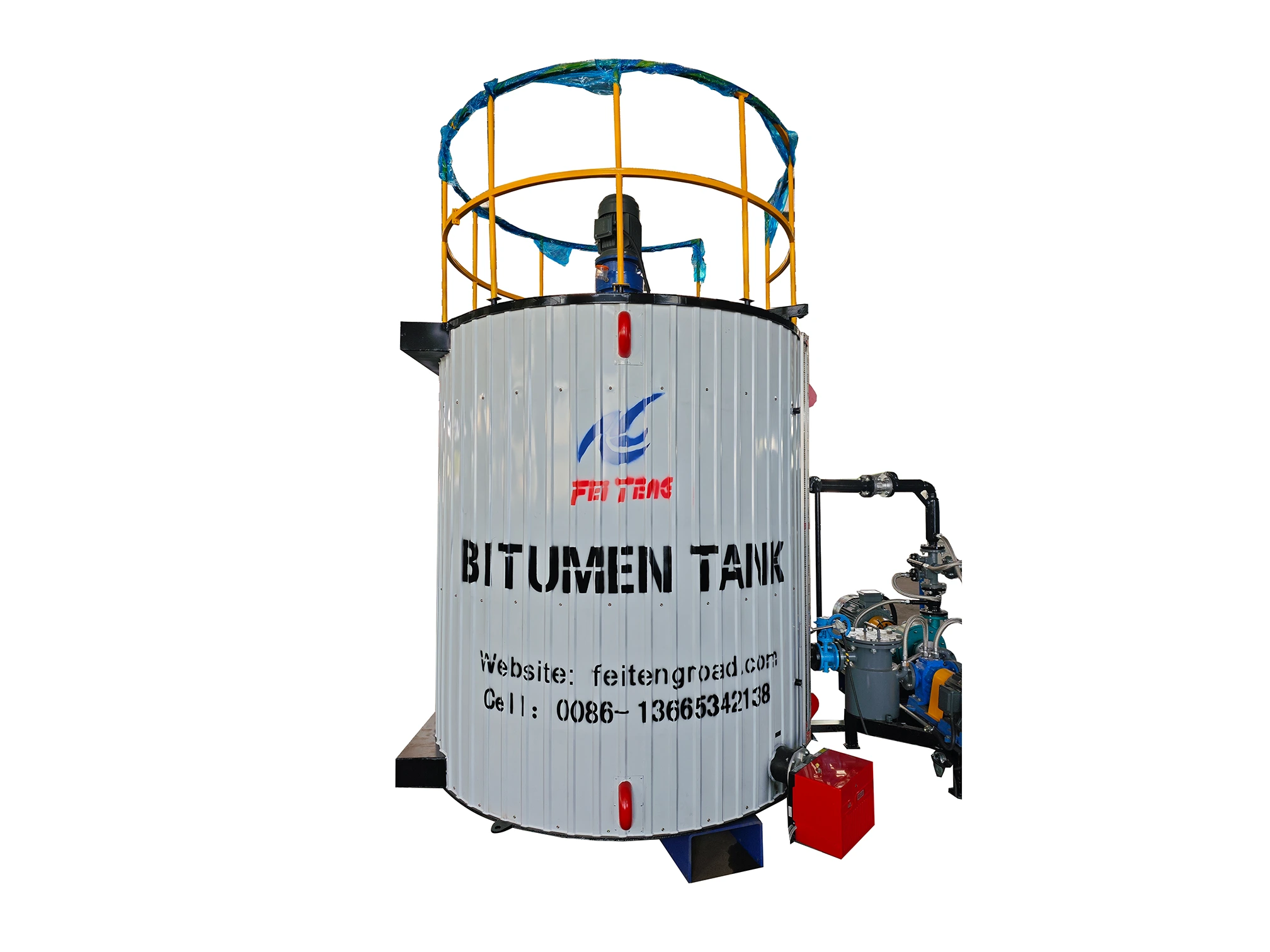
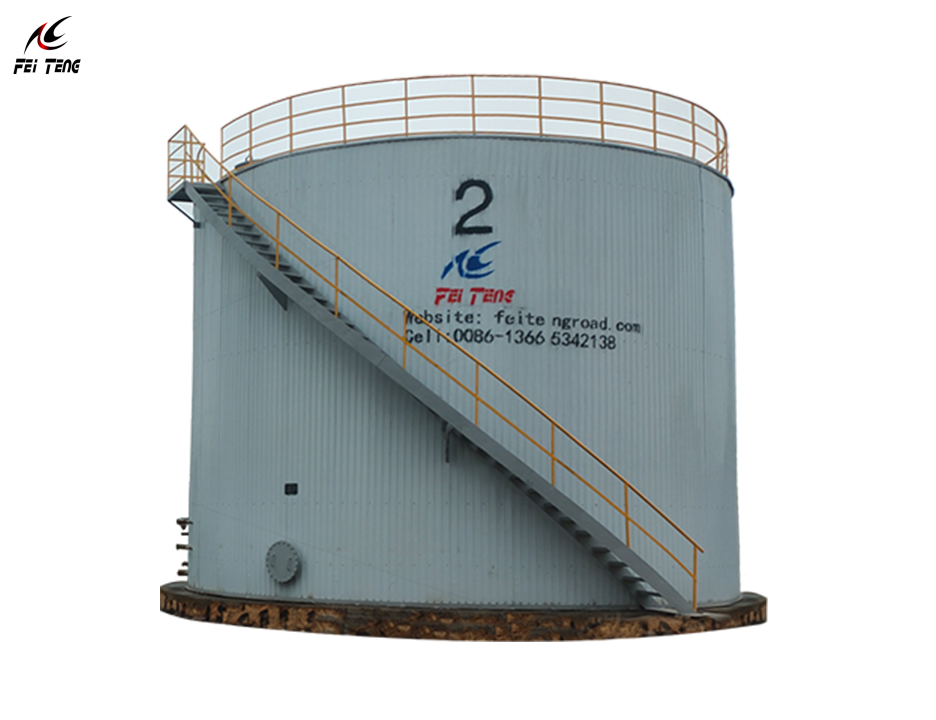
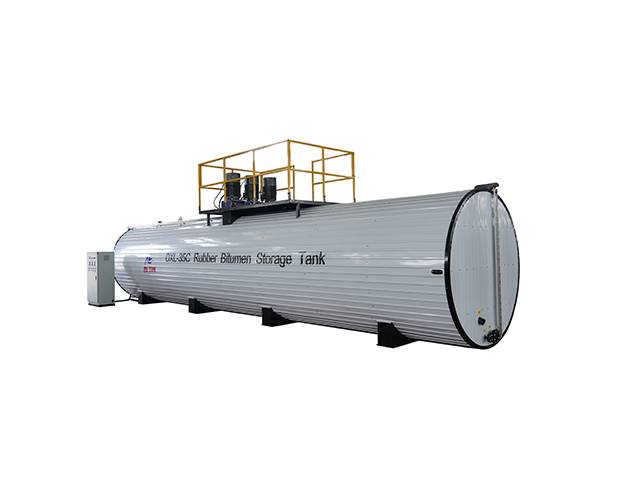
भंडारण टैंक में पर्याप्त मात्रा में गर्म बिटुमेन होना चाहिए, हीटर को आवश्यक तापमान बनाए रखना चाहिए और पंप को पर्याप्त दबाव और प्रवाह प्रदान करना चाहिए।
अतः संपूर्ण प्रणाली को इस प्रकार समझा जाना चाहिए:
भंडारण → तापन → पंपिंग → पाइपलाइन → डामर संयंत्र
भंडारण के आकार के बारे में जानने के लिए, पढ़ें:
एस्फाल्ट मिक्सिंग प्लांट के लिए बिटुमेन स्टोरेज टैंक की क्षमता की गणना कैसे करें
थर्मल ऑयल हीटिंग की गणनाओं के लिए, निम्नलिखित पढ़ें:
बिटुमेन भंडारण टैंकों के लिए थर्मल ऑयल हीटर की क्षमता की गणना कैसे करें
बिटुमेन पाइपलाइन के आकार निर्धारण में होने वाली सामान्य गलतियाँ
पाइप का आकार केवल पंप कनेक्शन के व्यास से ही चुनें।
पंप के इनलेट या आउटलेट फ्लेंज का आकार स्वतः ही पाइपलाइन के सही व्यास को निर्धारित नहीं करता है।
बिटुमेन की श्यानता को अनदेखा करना
परिचालन तापमान में परिवर्तन होने पर हाइड्रोलिक प्रदर्शन में काफी बदलाव आ सकता है।
केवल डामर संयंत्र की औसत खपत का उपयोग करना
बैच ट्रांसफर या टैंकर अनलोडिंग के लिए बहुत अधिक प्रवाह दर की आवश्यकता हो सकती है।
पाइपलाइन की लंबाई को अनदेखा करना
दबाव के नुकसान को नियंत्रित करने के लिए लंबी पाइपलाइनों में अधिक व्यास की आवश्यकता हो सकती है।
बहुत अधिक एल्बो लगाना
प्रत्येक कोहनी प्रणाली के प्रतिरोध को बढ़ाती है।
ऊष्मा हानि की अनदेखी करना
यदि बिटुमेन अत्यधिक ठंडा हो जाए तो हाइड्रोलिक रूप से सही पाइपलाइन भी विफल हो सकती है।
तापीय लागत पर विचार किए बिना आकार से बड़ा होना
एक बड़ी पाइप बिटुमेन के जमाव की मात्रा और ऊष्मा हानि सतह क्षेत्र को बढ़ाती है।
शटडाउन की स्थितियों को अनदेखा करना
पाइपलाइन को इस तरह से डिजाइन किया जाना चाहिए कि संचालन के बाद इसे दोबारा गर्म किया जा सके, प्रसारित किया जा सके, खाली किया जा सके या निकाला जा सके।
पाइपलाइन डिजाइन के लिए आवश्यक जानकारी
हॉट-बिटुमेन पाइपलाइन डिजाइन या उपकरण कोटेशन का अनुरोध करते समय, निम्नलिखित जानकारी प्रदान करें:
- आवश्यक बिटुमेन प्रवाह दर
- बिटुमेन का प्रकार और ग्रेड
- परिचालन तापमान
- यदि उपलब्ध हो तो बिटुमेन की चिपचिपाहट
- पाइपलाइन की कुल लंबाई
- ऊर्ध्वाधर ऊंचाई का अंतर
- कोहनियों की संख्या
- वाल्वों की संख्या और प्रकार
- फ़िल्टर कॉन्फ़िगरेशन
- आवश्यक स्थानांतरण समय
- पंप मॉडल या पंप की कार्यक्षमता
- तापन विधि
- परिवेश का तापमान
- इन्सुलेशन आवश्यकताएँ
- परिसंचरण की आवश्यकता
- रिवर्स पंपिंग या जल निकासी की आवश्यकता
इस जानकारी से पंप, पाइपलाइन, हीटिंग सिस्टम और स्टोरेज सिस्टम का एक साथ मूल्यांकन करना संभव हो जाता है।
अक्सर पूछे जाने वाले प्रश्नों
160 टन प्रति घंटे की एस्फाल्ट प्लांट के लिए किस आकार के बिटुमेन पाइप की आवश्यकता होती है?
160 टन प्रति घंटा की क्षमता वाले एस्फाल्ट संयंत्र के लिए कोई एक निश्चित पाइप व्यास नहीं होता है।
5% बाइंडर सामग्री पर, संयंत्र लगभग 8 टन प्रति घंटा बिटुमेन की खपत करता है। हालांकि, अंतिम पाइप का व्यास डिजाइन वेग, बिटुमेन घनत्व, चिपचिपाहट, पाइपलाइन की लंबाई, फिटिंग, पंप दबाव और बैच-स्थानांतरण आवश्यकताओं पर भी निर्भर करता है।
क्या मैं पंप के आउटलेट के आकार को पाइपलाइन के व्यास के रूप में उपयोग कर सकता हूँ?
स्वचालित रूप से नहीं।
पंप कनेक्शन का आकार और आवश्यक सिस्टम पाइप का व्यास आपस में संबंधित हैं, लेकिन जरूरी नहीं कि वे समान हों। हाइड्रोलिक गणनाओं द्वारा अंतिम पाइपलाइन का आकार निर्धारित किया जाना चाहिए।
क्या चौड़ी बिटुमेन पाइप से दबाव में होने वाली हानि हमेशा कम होती है?
सामान्यतः, समान प्रवाह दर के लिए पाइप का व्यास बढ़ाने से वेग और घर्षण हानि को कम किया जा सकता है।
हालांकि, बड़े पाइपों से स्थापना लागत, बिटुमेन की जमाव मात्रा, ताप की आवश्यकताएं और ऊष्मा हानि क्षेत्र में भी वृद्धि होती है।
क्या बिटुमेन पाइपलाइनों को गर्म किया जाना चाहिए?
अधिकांश हॉट-बिटुमेन प्रणालियों में, पंप करने योग्य चिपचिपाहट को बनाए रखने और संचालन या स्टैंडबाय के दौरान जमने से रोकने के लिए हीटिंग या हीट ट्रेसिंग आवश्यक है।
क्या वही पाइपलाइन एसबीएस मॉडिफाइड बिटुमेन को संभाल सकती है?
संभवतः, लेकिन पाइपलाइन की जांच वास्तविक संशोधित बिटुमेन की चिपचिपाहट और परिचालन तापमान का उपयोग करके की जानी चाहिए। पीएमबी पारंपरिक बिटुमेन की तुलना में काफी अधिक हाइड्रोलिक प्रतिरोध उत्पन्न कर सकता है।
मेरा बिटुमेन पंप अपनी निर्धारित क्षमता से कम प्रवाह क्यों प्रदान करता है?
इसके सामान्य कारणों में बिटुमेन की उच्च श्यानता, पाइपलाइन का अत्यधिक प्रतिरोध, पाइप का छोटा व्यास, लंबी स्थानांतरण दूरी, अवरुद्ध फिल्टर, बहुत अधिक फिटिंग, खराब सक्शन की स्थिति या अपर्याप्त सामग्री तापमान शामिल हैं।
निष्कर्ष
बिटुमेन पाइपलाइन का व्यास वास्तविक परियोजना स्थितियों के आधार पर निर्धारित किया जाना चाहिए, न कि केवल अनुभव या पंप फ्लेंज के आकार के आधार पर।
प्रारंभिक इंजीनियरिंग प्रक्रिया इस प्रकार है:
आवश्यक प्रवाह → डिज़ाइन वेग → प्रारंभिक व्यास → दबाव हानि → पंप सत्यापन
अंतिम डिजाइन में निम्नलिखित बातों का भी ध्यान रखना आवश्यक है:
- बिटुमेन की चिपचिपाहट
- परिचालन तापमान
- पाइपलाइन की लंबाई
- स्थिर ऊंचाई
- वाल्व और फिल्टर
- तापन विधि
- इन्सुलेशन
- बैच स्थानांतरण आवश्यकताएँ
- परिसंचरण आवश्यकताएँ
- शटडाउन और जल निकासी प्रक्रिया
सही ढंग से डिजाइन की गई पाइपलाइन पंप पर भार कम करती है, गर्म बिटुमेन के स्थानांतरण की विश्वसनीयता में सुधार करती है और एस्फाल्ट मिक्सिंग प्लांट को स्थिर उत्पादन बनाए रखने में मदद करती है।
FEITENG बिटुमेन भंडारण टैंक, पिघलने के उपकरण, थर्मल ऑयल हीटर, पंप, वाल्व, गर्म पाइपलाइन और डामर संयंत्र बिटुमेन आपूर्ति प्रणालियों सहित संपूर्ण बिटुमेन हैंडलिंग सिस्टम की आपूर्ति करता है।
परियोजना-विशिष्ट अनुशंसा के लिए, हमें आवश्यक बिटुमेन प्रवाह, पाइपलाइन की लंबाई, परिचालन तापमान, बिटुमेन का प्रकार, डामर संयंत्र की क्षमता और परियोजना का स्थान भेजें।
व्हाट्सएप: +86 15335447006
ईमेल: [email protected]
वेबसाइट: www.bitumenmachine.com
 हिन्दी
  English
  Deutsch
  Español
  Tiếng Việt
  العربية
  Français
  Português
  Русский
  বাংলা
বাংলা  Українська
  Bahasa Indonesia
  اردو
اردو