





Bitumen 60/70 and 80/100 are two commonly discussed penetration grades used in road construction. Both can be used as paving binders, but they are not identical: 60/70 is generally harder, while 80/100 is softer. That difference influences how a binder behaves when the pavement is hot, cold, or under traffic.
If you are buying bitumen for an asphalt mixing plant or planning a road construction project, this guide explains the numbers, the main differences, typical applications, and what to check before ordering. We also cover a practical question buyers often miss: does changing the bitumen grade affect your storage and heating equipment?
Quick Answer: Bitumen 60/70 vs 80/100
The names come from a needle penetration test. The lower the penetration value, the harder the bitumen is under the test conditions. This means 60/70 is normally the stiffer of the two grades; 80/100 is normally softer.
| Comparison | Bitumen 60/70 | Bitumen 80/100 |
|---|---|---|
| Penetration range at 25°C | 60–70 (0.1 mm units) | 80–100 (0.1 mm units) |
| Relative consistency | Harder / stiffer | Softer |
| General selection tendency | Often considered where heat and rutting are concerns | Often considered where flexibility and workability matter |
| Main limitation | May be less forgiving in colder conditions | May be more susceptible to deformation in hot, heavily loaded conditions |
| Final buying decision | Must follow the project specification and verified laboratory results | |
These are general material tendencies—not a substitute for mix design, performance grading, or project-specific pavement engineering.
What Do 60/70 and 80/100 Mean in Bitumen?
Both numbers refer to penetration, a traditional way to classify paving bitumen by consistency. In a standard penetration test, a needle enters a prepared bitumen sample under specified test conditions. The depth is measured in tenths of a millimeter.
- 60/70 bitumen: the penetration result falls between 60 and 70 units.
- 80/100 bitumen: the penetration result falls between 80 and 100 units.
A larger penetration value means that the needle travels farther into the material under the same conditions. In simple terms, that points to softer bitumen.
However, penetration is only one property. Two batches with similar penetration results may still differ in softening point, viscosity, aging response, or low-temperature behavior. Always request a certificate of analysis (COA) that matches the agreed national or project specification.
Bitumen 60/70: Common Uses and Advantages
Bitumen 60/70 is a relatively hard penetration grade. It is commonly discussed for conventional asphalt paving where elevated pavement temperatures and traffic loading must be considered.
Road contractors may evaluate it for highways, urban roads, industrial access roads, or other asphalt mixtures where a stiffer binder is desirable. Its potential advantage is improved resistance to movement or deformation relative to a softer binder, all else being equal.
That does not mean 60/70 is automatically the best choice in every hot country. The aggregate structure, traffic speed, pavement thickness, climatic extremes, aging, and applicable binder specification all influence the result. Heavy-duty pavements may require performance-graded or polymer-modified binders instead of a conventional penetration grade.
Bitumen 80/100: Common Uses and Advantages
Bitumen 80/100 is generally softer than 60/70. This can make it attractive where flexibility, workability, and resistance to certain forms of low-temperature distress are important.
It may be considered for projects in comparatively cooler conditions or where a softer binder is allowed by the road authority’s specifications. Depending on the actual material and mix, a softer binder can sometimes be easier to handle during mixing and compaction.
The trade-off is that softer binders can be less resistant to permanent deformation during hot weather and heavy loading. Do not select 80/100 simply because it appears easier to pump or cheaper to purchase; check the full pavement requirements.
Which Grade Is Better for Hot or Cold Weather?
A useful starting point is that hotter conditions often favor greater stiffness, while colder conditions can increase the importance of flexibility. That is why buyers frequently compare 60/70 and 80/100.
But climate is not measured by air temperature alone. Pavement surface temperatures can be much higher than the surrounding air, and low-temperature cracking also depends on the mix and pavement structure. Traffic loading, vehicle speed, aging, construction temperatures, and drainage conditions matter too.
A practical rule: use the grade specified by the project designer or road authority. If there is no prescribed grade, ask a qualified pavement engineer or materials laboratory to evaluate the options before purchasing bulk quantities.
Can You Use the Same Equipment for Bitumen 60/70 and 80/100?
In many cases, the same general type of bitumen storage tank, melting machine, and transfer system can be configured for either grade. However, do not assume that the operating settings will be identical.
1. Bitumen Storage Tanks
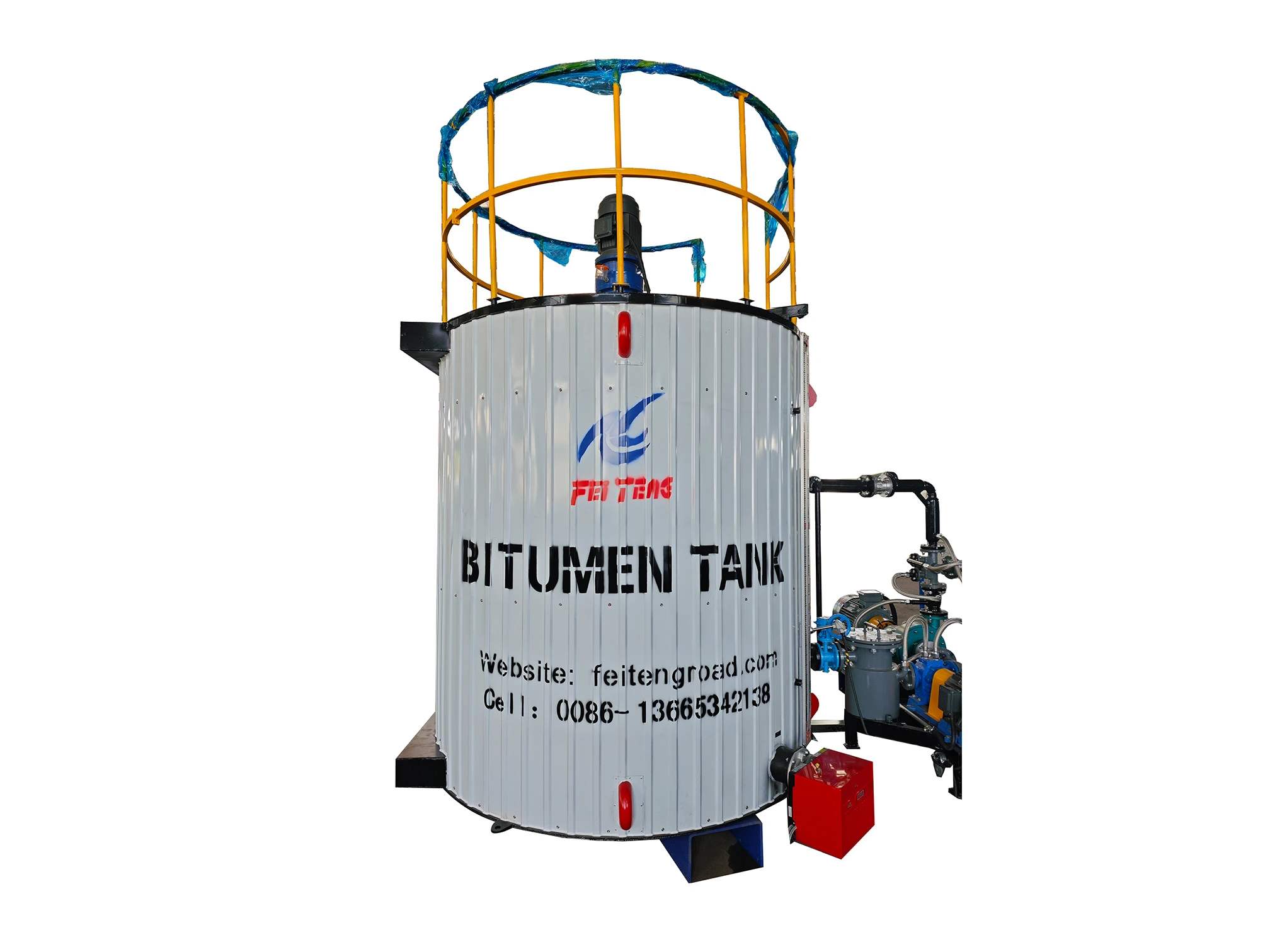
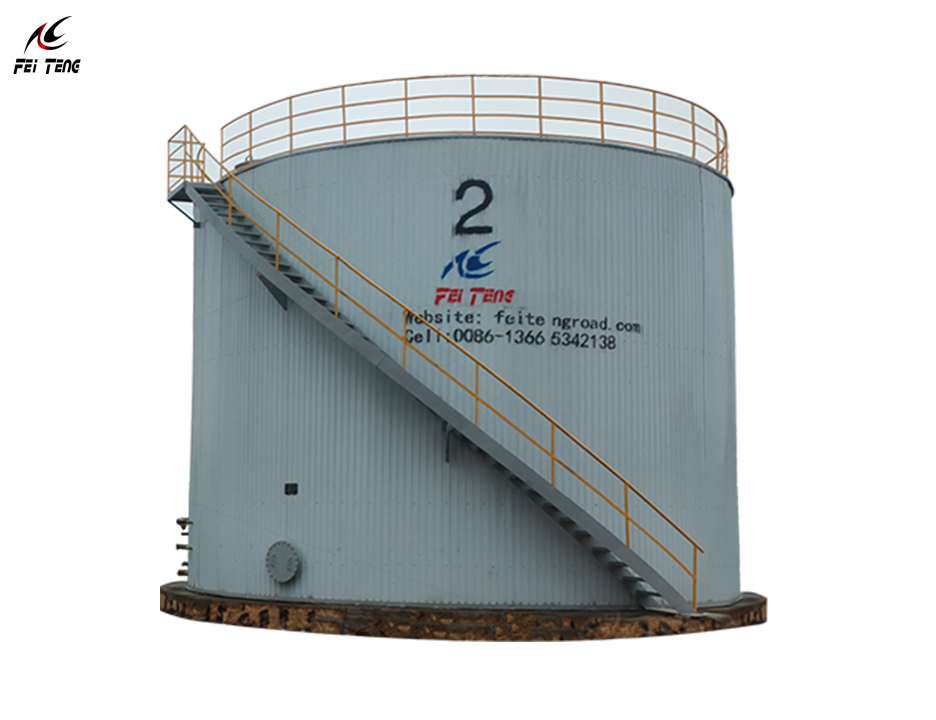
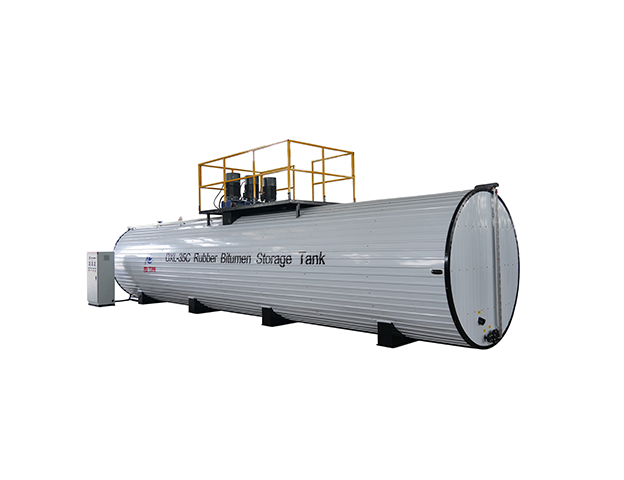
Storage equipment must keep the selected bitumen within a suitable handling range while avoiding unnecessary overheating and prolonged hot storage. Confirm the actual binder supplier’s temperature guidance, tank insulation, heating arrangement, circulation requirements, and instrumentation.
For equipment options, see our bitumen storage tank range. For sizing your tank to asphalt plant output, see how to calculate bitumen storage tank capacity.
2. Drum and Bag Melting Machines
If the bitumen is imported in steel drums or jumbo bags, the project needs a suitable melting or decanting system before transfer to bulk storage. The important selection questions are the package size, required tonnes per hour, heating source, and temperature control—not just whether the label says 60/70 or 80/100.
Explore equipamentos de fusão de betume or review the YDST Series drum bitumen melting system for one equipment example.
3. Pumps and Pipelines
Bitumen viscosity changes strongly with temperature. A change in grade can alter pumping behavior, but the actual viscosity–temperature data should determine pump duty, pipe heating, and transfer procedures. A pump that works with one grade under one set of temperatures should not automatically be approved for a different duty.
If you are selecting equipment for an asphalt mixing plant, our complete bitumen handling system guide explains how melting, heating, storage, and pumping work together.
What Should You Check Before Buying Either Grade?
Rather than asking only “Is 60/70 better than 80/100?”, prepare a short buyer’s checklist:
- Project requirement: which national standard, tender specification, or approved mix design applies?
- Material certificate: does the COA show the required penetration, softening point, viscosity, and other specified properties?
- Supply form: will the binder arrive in bulk tankers, steel drums, or bags?
- Climate and traffic: what are the expected high and low pavement temperatures and the likely traffic loading?
- Handling conditions: what delivery, storage, pumping, and mixing temperatures does the supplier recommend?
- Equipment capacity: can your melting, storage, and pumping systems support the required daily asphalt production?
Important note on standards: market names are not interchangeable across all specifications. For example, ASTM D946/D946M lists the penetration grades 60–70 and 85–100, whereas some markets use the name 80/100; EN 12591 has classifications such as 50/70 e 70/100. Confirm the applicable specification instead of substituting one label for another without testing.
Perguntas mais frequentes
Is 60/70 bitumen harder than 80/100?
Yes. Under comparable penetration-test conditions, 60/70 has a lower penetration range, which generally indicates a harder or stiffer binder than 80/100.
Which is better for highway construction: 60/70 or 80/100?
There is no universal winner. Climate, traffic, mix design and the road authority’s specification determine the correct choice. For particularly demanding pavements, a performance-graded or modified binder may be required.
Does 80/100 bitumen melt at a lower temperature?
Bitumen does not have one sharp melting point like a pure substance. A softer grade may behave differently as it warms, but plant temperatures should be based on the material’s viscosity–temperature information and the applicable operating instructions.
Can 60/70 and 80/100 bitumen be mixed?
Combining grades without an approved blend design may change the final binder properties. Do not mix them in a storage tank unless the blend has been engineered, tested and accepted for the intended application.
Can one bitumen storage tank handle both grades?
Often a suitable tank design can be used for either grade at different times, provided temperature and cleaning procedures are appropriate. Do not mix grades inadvertently or assume one heating setting is right for both.
What is the difference between 80/100 and ASTM 85–100?
They are not identical grade labels. ASTM D946/D946M explicitly lists 85–100, while 80/100 is used in other commercial and regional contexts. Always check the exact tender standard and test certificate before treating products as substitutes.
Final Thoughts: Select the Grade First, Then Match the Equipment
Choosing between bitumen 60/70 and 80/100 starts with understanding a simple distinction: 60/70 is generally harder; 80/100 is generally softer. The right choice depends on the pavement specification and the conditions in which the road must perform.
Once your bitumen grade and delivery format are confirmed, make sure the supporting equipment is suited to the material and project schedule. FEITENG provides bitumen melting, heated storage and handling equipment for asphalt plants and road construction sites.
Planning a project? Tell us your binder grade, supply format (bulk, drum or bag), required throughput, asphalt plant capacity and destination country. We can help you identify an appropriate equipment configuration.
Contact FEITENG | [email protected] | WhatsApp: +86 15335447006
Reference for standards terminology: ASTM D946/D946M-25a. Always follow the specification required by your project.
 Português
 English
 Deutsch
 Español
 Tiếng Việt
 العربية
 Français
 Русский
 हिन्दी
 বাংলা
 Українська
 Bahasa Indonesia
 اردو