






The global push for durable, weather-resistant infrastructure has made Polymer Modified Bitumen (PMB) a strict requirement for modern highway and airport runway projects. However, for road construction contractors, sourcing high-quality PMB presents a significant logistical and financial challenge.
Historically, contractors relied on massive, stationary bitumen modification facilities. Today, the industry is witnessing a massive shift towards Mobile Polymer Modified Bitumen Plants. But what is driving this transition? Let’s break down the engineering and commercial logic.
1. Eliminating the Logistics Bottleneck
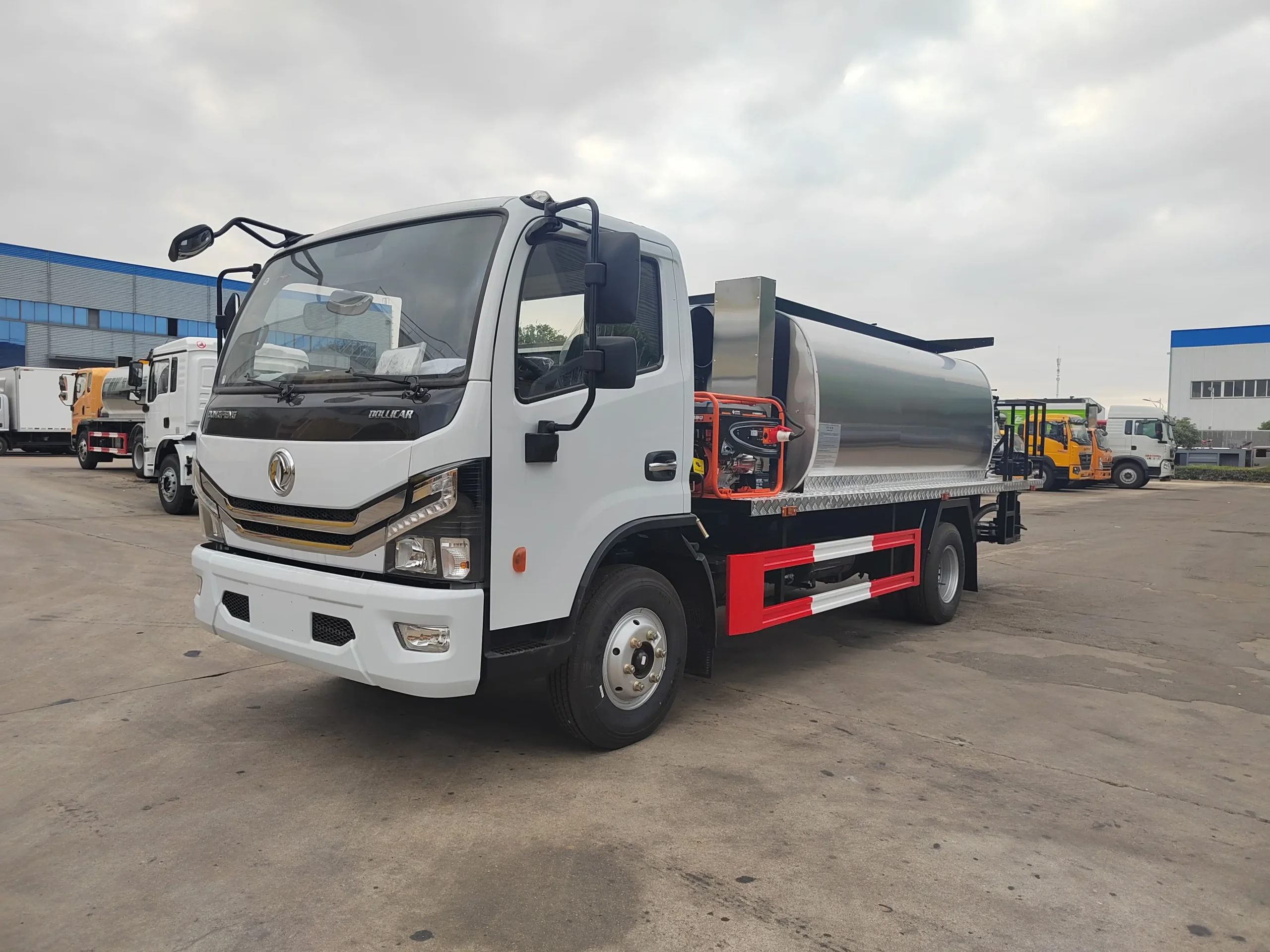
One of the biggest hidden profit killers in asphalt paving is the transportation of hot liquid bitumen. Transporting finished PMB from a distant stationary factory to a remote job site requires specialized insulated tankers.
If a project faces unexpected delays—such as heavy rain or equipment breakdowns—the PMB in the trucks can cool down or experience polymer segregation.
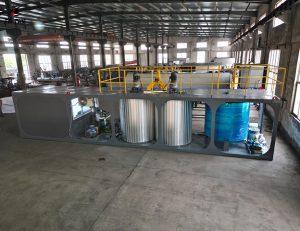
A Skid-Mounted Bitumen Plant solves this entirely. By moving the Modified Bitumen Equipment directly to the construction site alongside the asphalt batching plant, contractors achieve “on-demand” production. This eliminates long-distance PMB transport costs and guarantees that the binder is sprayed at its peak performance state.
2. Zero Segregation with Integrated Storage
A common pain point with SBS or SBR modified asphalt is phase separation. If the polymer and the base bitumen are not kept in constant, gentle motion, they will separate, ruining the material’s elastic properties.
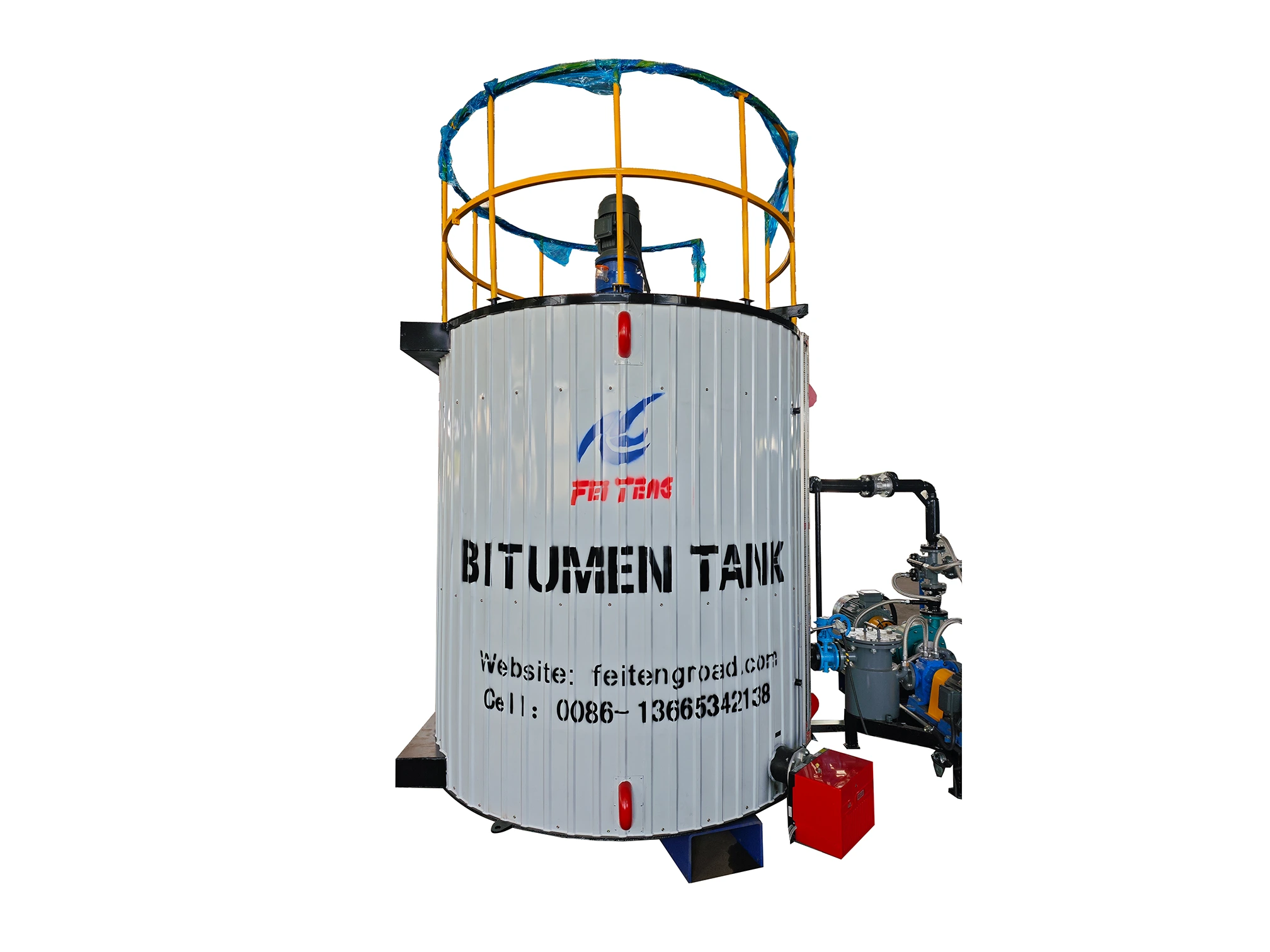
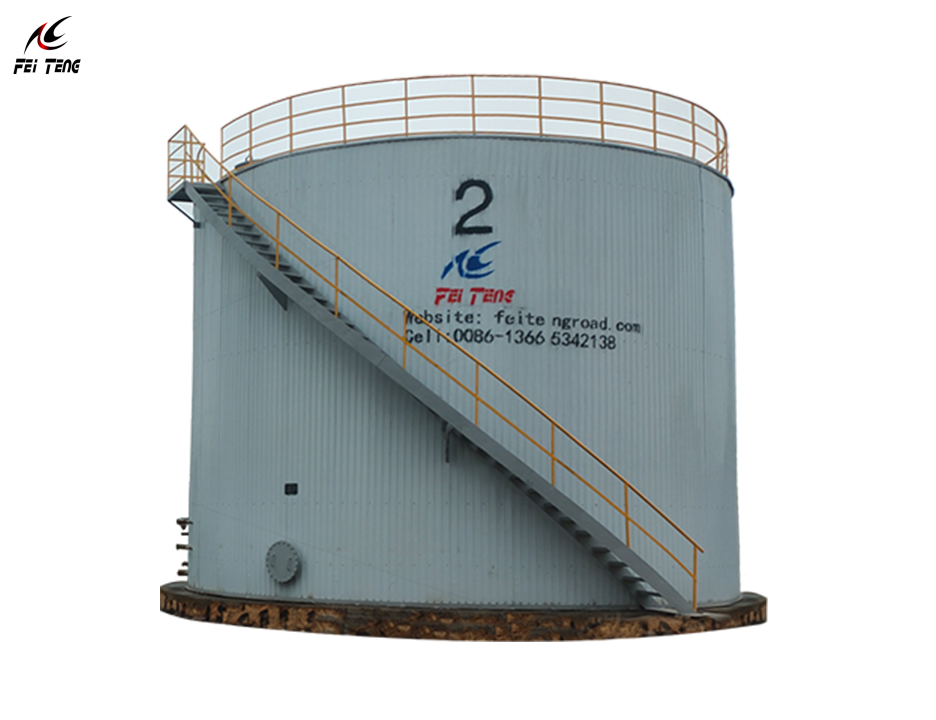
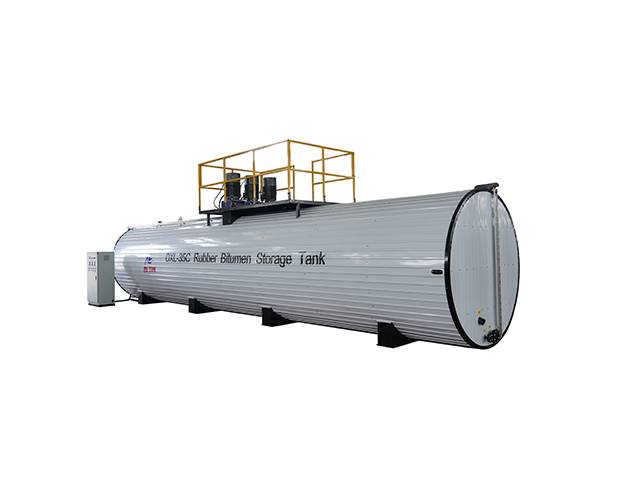
Advanced units, like the GLS Series PMB Plant, tackle this by integrating the production and storage phases. These systems don’t just rely on a High Shear Colloid Mill for the initial grinding; they also feature built-in, thermal-oil-heated storage tanks equipped with continuous agitators. This “Produce + Store” integrated design ensures the PMB remains completely homogeneous until the moment it enters the asphalt mixer.
3. Plug-and-Play Installation
Time is money. Traditional fixed plants require extensive civil engineering, deep concrete foundations, and weeks of pipeline welding.
Modern Mobile Bitumen Plants are pre-assembled and fully wired on a rigid steel skid at the factory. When the equipment arrives at the site (often designed to fit perfectly into standard shipping containers to save ocean freight), it requires minimal foundation work. You simply connect the power supply, attach the thermal oil hoses, and the system is ready to run. Once the highway section is complete, the entire unit can be loaded onto a flatbed trailer and relocated to the next project.
4. Centralized Intelligent Control
Operator error in polymer dosing or temperature management can lead to batches of rejected asphalt. Today’s high-end Bitumen Modification Equipment utilizes centralized PLC control cabinets. Operators can monitor the exact flow rate of the bitumen pumps and the real-time temperature of the thermal oil coils from a single screen. This guarantees consistent viscosity and quality across thousands of tons of production.
The Bottom Line
For cross-border engineering groups and local paving contractors, investing in a mobile Polymer Modified Bitumen Plant is no longer just a technical upgrade—it is a strategic commercial decision. It reduces logistical risks, ensures premium pavement quality, and dramatically lowers the operational expenditure (OPEX) per ton of asphalt.
 English
  Deutsch
  Español
  Tiếng Việt
  العربية
  Français
  Português
  Русский
  हिन्दी
  বাংলা
বাংলা  Українська
  Bahasa Indonesia
  اردو
اردو