





Introduction
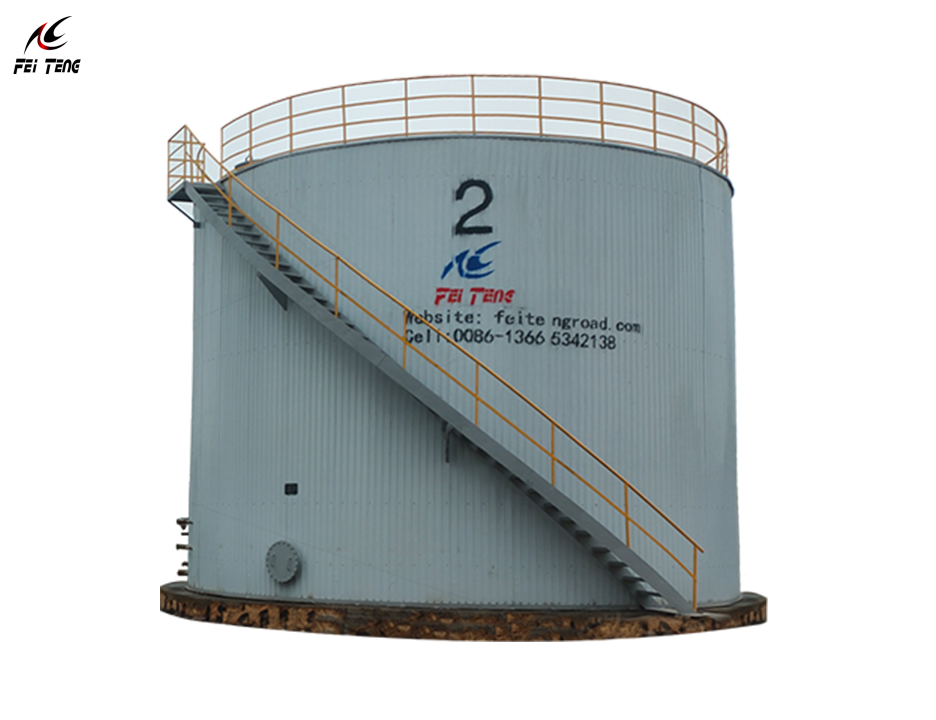
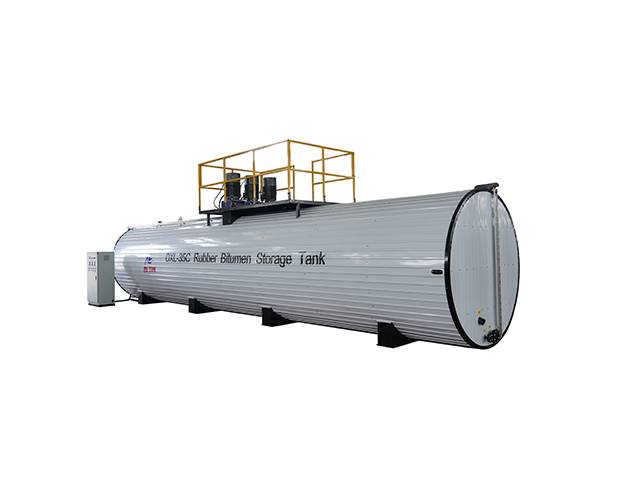
In bitumen handling systems, the storage tank is not a passive container. It is a thermally active, process-critical unit that directly influences binder quality, energy consumption, and plant reliability. Poor bitumen storage tank design leads to excessive fuel usage, uneven heating, accelerated aging, and frequent operational failures. In most industrial asphalt plants, these risks are concentrated in the bitumen storage tank system, which should be evaluated as an integrated unit rather than a standalone vessel (see: bitumen storage tank system).
This article explains how a bitumen storage tank should be engineered, from capacity calculation and heating system selection to insulation strategy and common design errors. The goal is not to promote a specific product, but to establish engineering criteria that project owners, EPC contractors, and plant managers can rely on during equipment selection.
1. Determining the Correct Bitumen Storage Tank Capacity
Capacity selection is the foundation of proper bitumen storage tank design. Undersized tanks cause production interruptions, while oversized tanks increase capital and heating costs.
Key engineering considerations include:
-
Daily asphalt production capacity (tons/day)
-
Bitumen percentage in mix (typically 4–6%)
-
Bitumen supply method (bulk, drum, or bag)
-
Required buffer time (24–72 hours recommended)
From an engineering perspective, storage capacity should cover at least 1.5–2 days of continuous plant operation. This ensures stability during supply delays and allows controlled heating instead of emergency reheating, which accelerates bitumen aging.

2. Heating System Design: The Core of Bitumen Storage Tanks
The heating system defines whether a storage tank performs as a stable process asset or becomes a constant operational liability. A detailed comparison of industrial solutions is available in our technical overview of the bitumen heating system.
Bitumen is typically stored at temperatures between 150–180°C. Maintaining this range uniformly is the most critical design challenge.
2.1 Thermal Oil Heating System
Thermal oil heating is the most widely adopted solution for medium and large-scale installations.
Engineering advantages:
-
Uniform temperature distribution
-
Precise control with low local overheating risk
-
Suitable for large-capacity tanks and multi-tank systems
Design notes:
-
Heating coils should be installed in multi-layer horizontal or serpentine layouts
-
Flow velocity must prevent oil degradation
-
Expansion tanks and safety valves are mandatory
2.2 Direct Heating (Diesel or Gas Burner)
Self-heating bitumen tanks integrate burners directly into the system.
Advantages:
-
Independent operation
-
Lower initial investment
-
Fast deployment for mobile or remote sites
Engineering risks:
-
Higher risk of localized overheating
-
Requires advanced temperature control and flame safety systems
This solution is typically recommended for small to medium capacities or projects with limited infrastructure.

3. Internal Heating Coil Layout and Heat Transfer Efficiency
A common design mistake is focusing on burner power instead of heat transfer geometry.
Proper coil design must ensure:
-
Full coverage of the tank bottom and lower sidewalls
-
Avoidance of dead zones where bitumen solidifies
-
Compatibility with tank cleaning and maintenance
Engineering best practice favors:
-
Seamless steel pipes with controlled spacing
-
Bottom-first heating logic to prevent stratification
4. Insulation Design: Reducing Energy Loss Is Not Optional
Heat loss directly translates into fuel cost. A well-designed bitumen storage tank treats insulation as a structural component, not an accessory.
Recommended insulation system:
-
100–150 mm mineral wool or rock wool
-
External cladding with galvanized or aluminum sheets
-
Insulated manholes, nozzles, and access doors
A properly insulated tank can reduce fuel consumption by 20–30% over its service life.
5. Structural and Safety Considerations
Bitumen storage tanks operate under continuous thermal expansion and contraction. Structural design must account for:
-
Expansion joints on pipelines
-
Floating or flexible roof structures (where applicable)
-
Emergency overflow and pressure relief systems
Safety systems should include:
-
Redundant temperature sensors
-
High-temperature alarms and interlocks
-
Bitumen level monitoring with overflow protection
6. Common Bitumen Storage Tank Design Mistakes
Many of these issues originate from selecting equipment based solely on price rather than engineering validation. This is why early consultation with experienced bitumen storage tank manufacturers is critical.
Despite proven engineering practices, several recurring errors appear in poorly designed systems:
-
Insufficient heating surface area compensated by higher burner power
-
Lack of insulation on valves and flanges
-
No redundancy in temperature measurement
-
Designing tanks as standalone units without system integration
-
Ignoring future capacity expansion
Each of these mistakes increases operating cost and reduces equipment lifespan.
7. Selecting a Bitumen Storage Tank Manufacturer
From an engineering standpoint, a qualified manufacturer should demonstrate:
-
Proven references in similar climate and capacity conditions
-
Clear documentation of heating calculations
-
Compliance with pressure vessel and safety standards
-
Ability to customize heating and control logic
The lowest-priced tank is rarely the lowest-cost solution over its operational life. When evaluating suppliers, comparing engineering depth, heating calculations, and reference projects is far more important than comparing quotations alone.
Conclusion
Effective bitumen storage tank design is the result of thermal engineering, structural integrity, and operational foresight. When correctly designed, a bitumen tank preserves binder quality, minimizes energy consumption, and supports uninterrupted asphalt production.
Rather than treating storage tanks as secondary equipment, project planners should evaluate them as core process assets—because every ton of asphalt begins with properly stored bitumen.

 English
  Deutsch
  Español
  Tiếng Việt
  العربية
  Français
  Português
  Русский
  हिन्दी
  বাংলা
বাংলা  Українська
  Bahasa Indonesia
  اردو
اردو