






How to Choose a Polymer Modified Bitumen Plant for Road Construction Projects
Polymer modified bitumen is widely used in road construction projects where ordinary bitumen may not provide enough resistance to rutting, cracking, deformation, or heavy traffic loading. For highways, airport roads, bridge decks, urban roads, and high-temperature pavement environments, contractors often need a more durable binder system that can support better long-term pavement performance.
A polymer modified bitumen plant, also known as a PMB plant or modified bitumen production equipment, is designed to blend base bitumen with polymers such as SBS or other modifiers under controlled heating, mixing, shearing, and circulation conditions. It is an important part of a complete modified bitumen equipment system for road construction and asphalt processing projects.
However, choosing the right polymer modified bitumen plant is not only about production capacity. Buyers also need to evaluate heating method, colloid mill performance, mixing efficiency, storage configuration, temperature control, installation layout, automation level, and compatibility with other equipment such as bitumen storage tanks, bitumen melting machines, and thermal oil boilers.
This guide explains the key factors road contractors, asphalt plant operators, and bitumen processing companies should consider before purchasing a polymer modified bitumen plant.

1. Understand What a Polymer Modified Bitumen Plant Does
A polymer modified bitumen plant is used to produce modified bitumen by combining base bitumen with polymer additives through heating, mixing, grinding, swelling, and circulation. Compared with simple bitumen storage equipment, a PMB plant has a more complex processing system.
A typical modified bitumen plant may include:
- Bitumen heating tank
- Modifier feeding system
- High-shear mixer or colloid mill
- Agitator
- Bitumen pump
- Thermal oil heating system
- Pipeline and valve system
- Finished product storage tank
- Electrical control cabinet
- Temperature control system
The purpose of the system is to help the polymer become more evenly dispersed in the bitumen. A good production process helps improve binder uniformity, reduce unmixed particles, and support stable modified bitumen quality.
2. Confirm the Required Production Capacity
Production capacity is one of the first factors to confirm when selecting a PMB plant. A small road maintenance base may only need a compact modified bitumen production tank or small-batch PMB system. A large asphalt plant or highway project may require a higher-capacity continuous or semi-continuous modified bitumen plant.
Before choosing the equipment, buyers should ask several key questions:
- How many tons of modified bitumen are required per hour?
- Is the production continuous or batch-based?
- Will the equipment serve one project or multiple asphalt plants?
- How much finished PMB storage is required?
- Will the plant run every day or only during project periods?
A common mistake is selecting equipment only based on the maximum production capacity on paper. In real project operation, stable output, heating recovery speed, modifier melting time, colloid mill efficiency, and finished product storage capacity can all affect actual productivity.
For contractors, it is better to send the supplier a realistic production requirement instead of only asking for “the biggest model.” A well-matched PMB plant helps reduce unnecessary investment while avoiding production bottlenecks.
3. Evaluate the Heating System
Modified bitumen production requires controlled heating. If the temperature is too low, the polymer may not disperse properly. If the temperature is too high, bitumen aging, energy waste, or process instability may occur.
Most polymer modified bitumen equipment uses thermal oil heating because thermal oil can provide stable and indirect heat transfer. In a complete system, the thermal oil boiler or thermal oil heater may support:
- Bitumen tank heating
- Pipeline heat tracing
- Pump jacket heating
- Colloid mill preheating
- Valve and filter heating
- Finished product storage heating
When comparing heating systems, buyers should evaluate heating method, thermal oil boiler capacity, heating area, pipeline heat tracing design, temperature control accuracy, insulation thickness, fuel type, and energy availability at the project site.
For remote projects, fuel availability is especially important. Diesel, gas, electric heating, or combined heating methods may be selected according to local energy conditions.
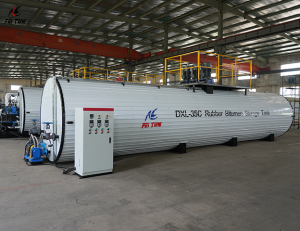
4. Check the Colloid Mill or High-Shear Grinding System
The colloid mill is one of the most important parts of a polymer modified bitumen plant. Its function is to shear and grind the polymer-bitumen mixture so that the modifier can be dispersed more evenly in the base bitumen.
A poor grinding system may cause:
- Uneven modified bitumen quality
- Longer production time
- Poor polymer dispersion
- Higher maintenance frequency
- Unstable finished binder performance
When evaluating the colloid mill, buyers should confirm rated flow capacity, motor power, rotor-stator structure, grinding gap adjustment, material compatibility, maintenance accessibility, heat tracing design, and integration with the circulation pipeline.
The colloid mill should match the plant capacity. If the tank volume is large but the mill capacity is too small, the complete system may still operate slowly. If the mill is oversized but the heating and pumping systems cannot keep up, the investment may not produce real efficiency benefits.
5. Review the Mixing and Circulation Design
Modified bitumen production is not only a one-time grinding process. In many systems, the material needs repeated circulation, mixing, swelling, and temperature holding before it reaches the desired condition.
A practical PMB plant should provide stable internal circulation between the tank, pump, colloid mill, and pipelines. The agitator should also be suitable for the tank volume and material viscosity.
Important points include:
- Agitator motor power
- Blade structure
- Mixing coverage inside the tank
- Pump flow rate
- Internal circulation route
- External supply route
- Valve switching method
- Filter position
- Dead-zone reduction inside the tank
For high-viscosity modified bitumen, circulation resistance and pipeline heating should be considered carefully. Otherwise, blockage may occur in pumps, valves, filters, or pipelines during startup and shutdown.
6. Choose Between a Compact PMB Tank and a Full PMB Production Line
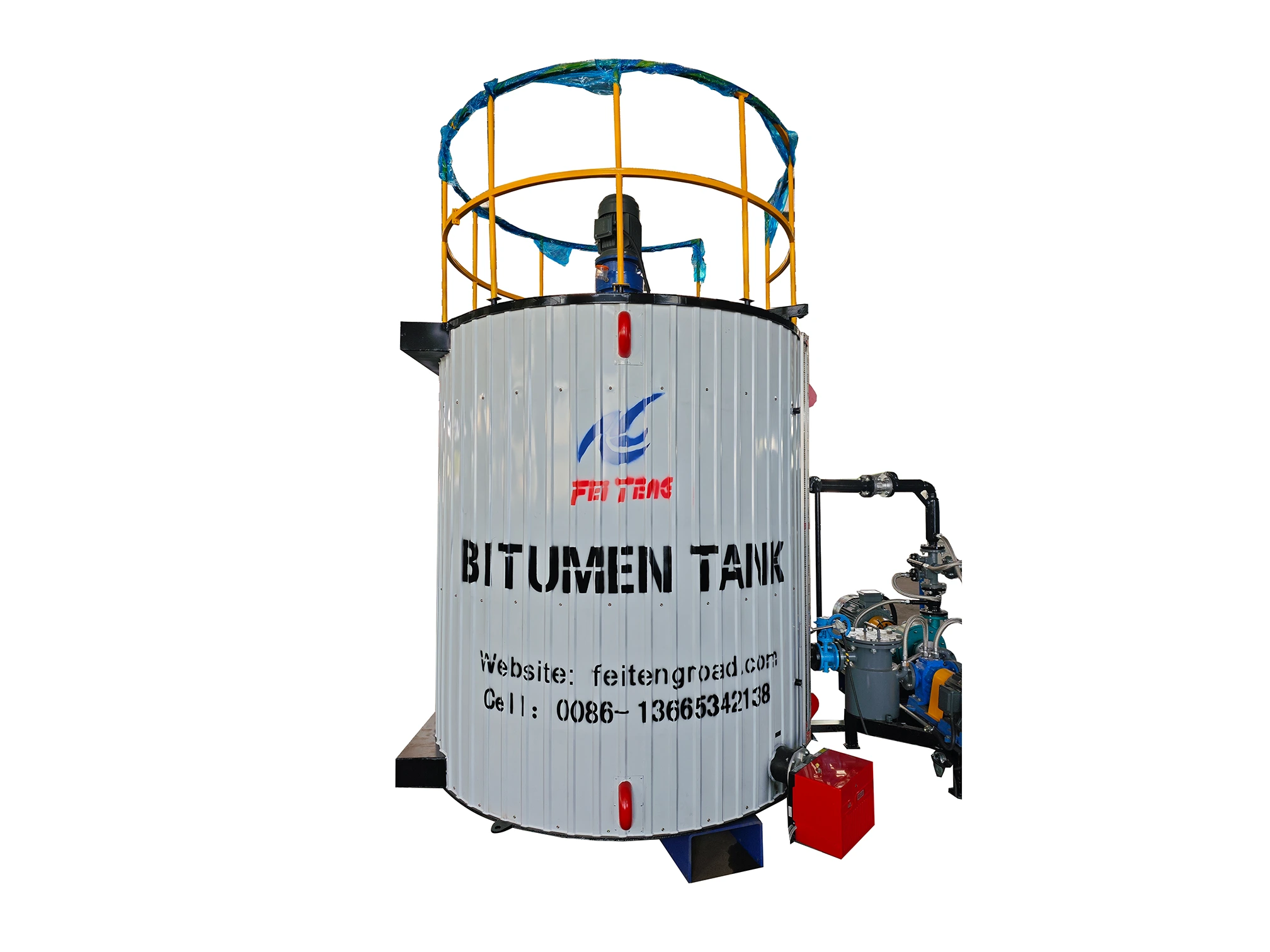
Not every buyer needs a large polymer modified bitumen plant. Some contractors only need a compact PMB production tank for small-batch modified bitumen preparation, especially for road maintenance bases, small asphalt processing sites, or project-specific production.
A compact PMB tank may be suitable when:
- Production demand is moderate
- Project site space is limited
- The contractor needs flexible operation
- The equipment is used for local road maintenance
- Finished product storage demand is not very large
A full PMB production line may be more suitable when:
- Continuous production is required
- A large asphalt plant needs stable PMB supply
- Multiple projects are supplied from one production base
- Higher automation is required
- Large finished product storage is needed
For example, a compact PMB production tank can be used for small-batch PMB preparation, while a larger modified bitumen plant may be required for continuous highway construction supply. Buyers can compare different configurations under Modified Bitumen Equipment before confirming the final model.
7. Consider SBS Modified Bitumen and Rubber Bitumen Requirements
Different modifiers may require different equipment configurations. SBS modified bitumen, rubber bitumen, and other modified binder systems may have different requirements for temperature, mixing time, shearing intensity, storage, and circulation.
For SBS modified bitumen, buyers should pay attention to polymer swelling, high-shear grinding, and stable temperature control. For rubber bitumen, viscosity, mixing time, rubber powder feeding, and storage stability may become more important.
Before purchasing equipment, the buyer should tell the manufacturer:
- Modifier type
- Modifier percentage
- Base bitumen grade
- Target finished binder specification
- Required production temperature
- Mixing and swelling time
- Finished product storage time
- Downstream asphalt plant requirement
This information helps the supplier recommend a more accurate configuration.
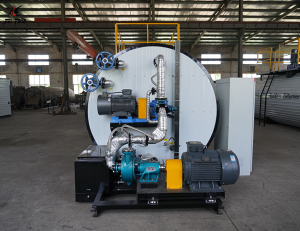
8. Check the Control System and Automation Level
A modern PMB plant should not rely only on manual operation. Temperature, pump flow, mill operation, agitator operation, and circulation process should be controlled and monitored clearly.
Important control system functions may include:
- Temperature display and control
- Pump frequency control
- Agitator control
- Colloid mill control
- Thermal oil pump control
- Burner or heater control
- Over-temperature protection
- Motor overload protection
- Operation status display
- Emergency stop
Higher automation is useful for reducing operator error, improving production consistency, and simplifying daily management. However, automation should be practical. A very complex control system may not be necessary for every small project.
For international buyers, it is also important to confirm voltage and frequency, control cabinet language, electrical component brand, spare parts availability, wiring diagram, remote support availability, and operator training requirements.
9. Evaluate Installation Space and Layout
A polymer modified bitumen plant should be selected according to the real project site. Some buyers focus only on equipment capacity but ignore layout, foundation, pipeline connection, and maintenance access.
Before confirming the order, prepare the following information:
- Available installation area
- Foundation conditions
- Height limitation
- Container transport limitation
- Power room or boiler room location
- Bitumen supply direction
- Finished product discharge direction
- Maintenance access space
- Operator platform requirement
- Local safety requirements
A good layout can reduce installation difficulty and improve daily operation efficiency. For overseas projects, modular or skid-mounted designs may also reduce installation time and simplify transportation.
10. Match the PMB Plant with Other Bitumen Equipment
A PMB plant rarely works alone. It often needs to connect with other equipment in the bitumen handling system.
Depending on the project, the complete system may include:
- Bitumen drum decanter
- Bag bitumen melting machine
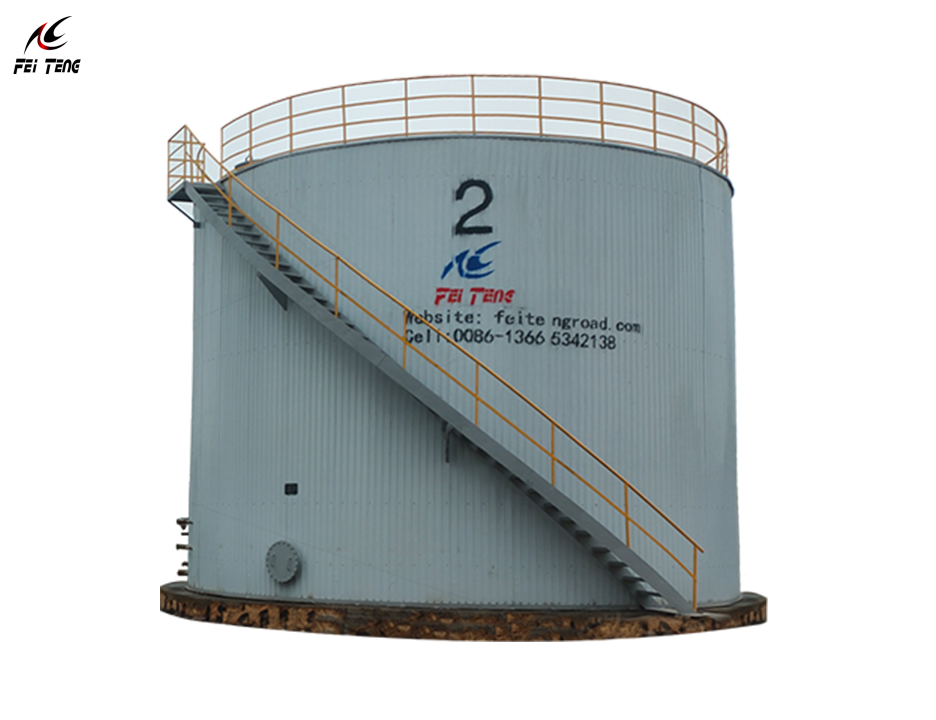
- Bitumen storage tank
- Thermal oil boiler
- Bitumen transfer pump
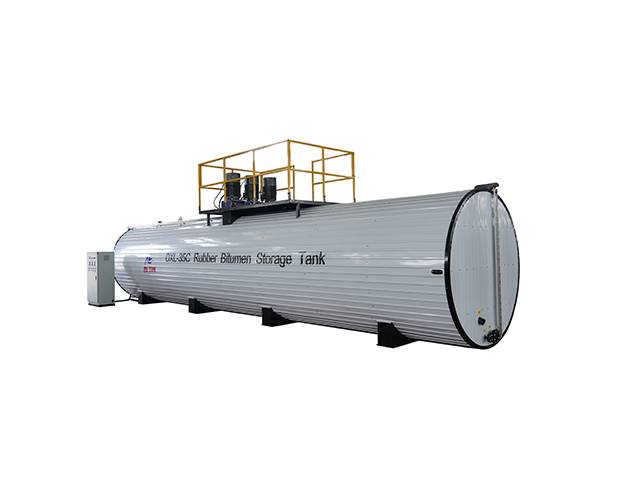
- Modified bitumen storage tank
- Asphalt mixing plant
- Bitumen emulsion plant
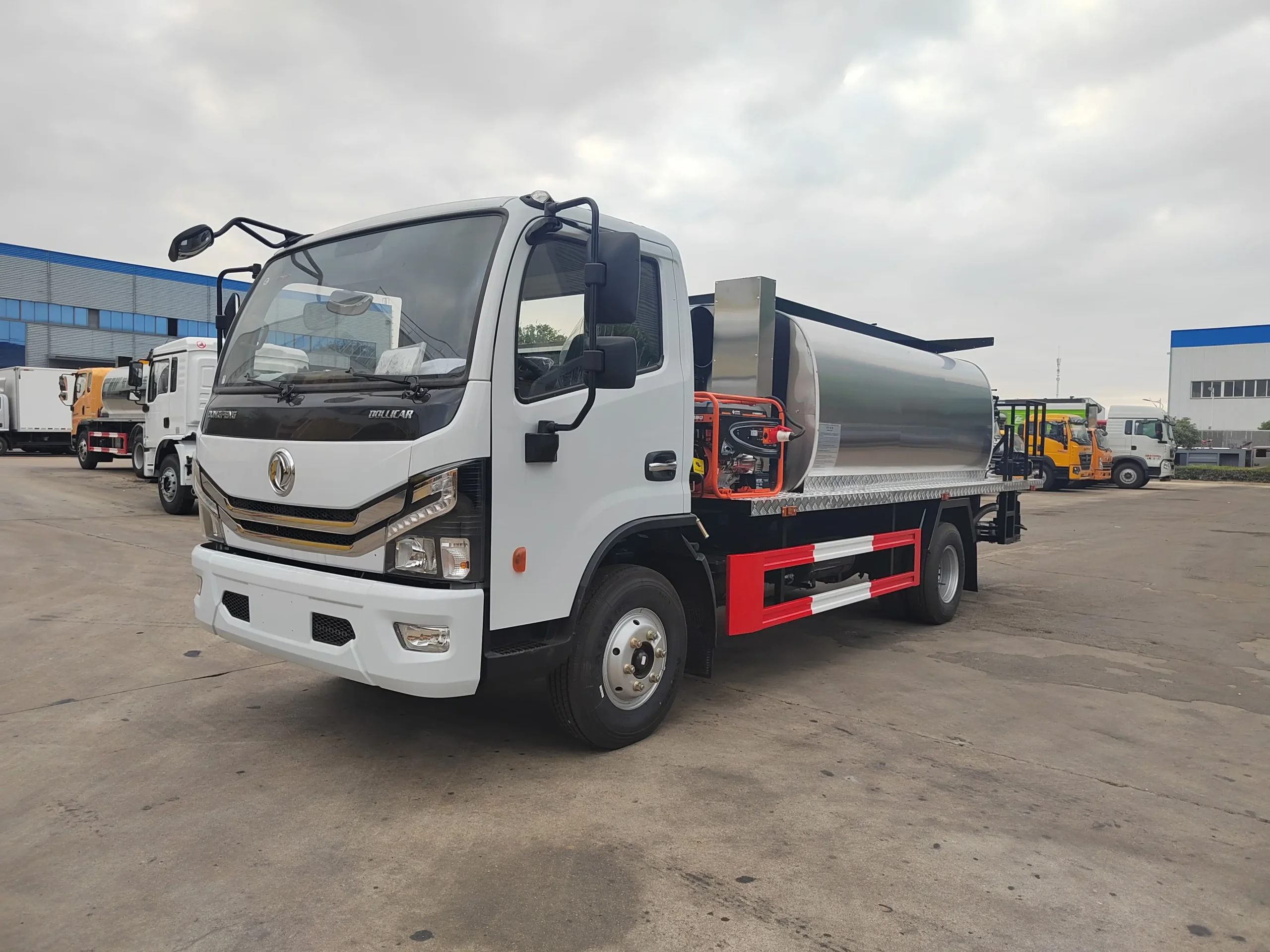
- Bitumen sprayer
For example, if bitumen is supplied in drums, the project may need a drum bitumen melting machine before the PMB plant. If bitumen is supplied in bags, a bag bitumen melting machine may be required. If the finished modified bitumen must be stored for later use, a heated modified bitumen storage tank should also be considered.
This is why buyers should not only ask for one machine quotation. They should describe the full process from raw bitumen receiving to finished modified bitumen use.
11. Ask for Technical Parameters, Not Only Price
Price is important, but it should not be the only purchasing standard. A cheaper PMB plant may become expensive if it causes production delays, unstable quality, high fuel consumption, or frequent maintenance.
A professional RFQ should include:
- Required capacity
- Tank volume
- Heating method
- Colloid mill flow
- Pump flow
- Agitator configuration
- Thermal oil system
- Power supply
- Control system
- Installation layout
- Material inlet and outlet design
- Shipping method
- Spare parts list
- Technical documents
- After-sales support
The supplier should be able to explain why a specific configuration is suitable for your project. If the answer only focuses on price without explaining process matching, heating capacity, or layout design, the quotation may not be reliable enough for a serious road construction project.
12. Common Mistakes When Buying a PMB Plant
Many procurement problems come from unclear project requirements. Below are common mistakes to avoid:
- Choosing capacity without considering actual daily production demand
- Ignoring colloid mill and pump matching
- Underestimating heating and insulation requirements
- Not confirming modifier type and finished binder specification
- Using a storage tank as a production tank
- Ignoring pipeline heat tracing
- Not planning finished product storage
- Forgetting local voltage and fuel conditions
- Only comparing price instead of complete configuration
- Not asking for layout and installation requirements
A polymer modified bitumen plant is a process system, not just a tank. The right selection should balance production demand, bitumen formulation, heating method, grinding system, circulation process, and project site conditions.
Conclusion
Choosing a polymer modified bitumen plant requires a complete understanding of project needs, not just a quick comparison of equipment prices. Buyers should evaluate production capacity, heating system, colloid mill performance, mixing and circulation design, automation level, installation layout, and compatibility with other bitumen equipment.
For small-batch production or road maintenance bases, a compact PMB production tank may be enough. For continuous highway construction or large asphalt plants, a larger polymer modified bitumen production line may be more suitable.
Feiteng provides bitumen equipment solutions for road construction projects, including modified bitumen equipment, bitumen storage tanks, bitumen melting machines, bitumen emulsion plants, thermal oil boilers, and bitumen sprayers.
If you are planning a PMB production system, send your project requirements, capacity target, modifier type, fuel condition, power supply, and site layout. Feiteng can help recommend a practical configuration for your project.
FAQ
What is a polymer modified bitumen plant?
A polymer modified bitumen plant is equipment used to blend base bitumen with polymers or other modifiers through heating, mixing, grinding, circulation, and temperature control to produce modified bitumen for road construction projects.
What is the difference between a PMB plant and a bitumen storage tank?
A bitumen storage tank is mainly used for heating and storing bitumen. A PMB plant is a processing system that can mix, shear, grind, and circulate bitumen with polymer additives to produce modified bitumen.
What capacity should I choose for a modified bitumen plant?
The right capacity depends on project scale, daily PMB demand, asphalt plant consumption, working hours, and finished product storage requirements. Buyers should provide realistic production demand before selecting the model.
Why is a colloid mill important in a PMB plant?
The colloid mill helps shear and disperse polymer into the bitumen. A suitable colloid mill supports better mixing uniformity, stable production, and more consistent modified bitumen quality.
Can a PMB plant produce SBS modified bitumen?
Yes, a properly configured PMB plant can be used for SBS modified bitumen production. The configuration should match the polymer type, percentage, temperature requirement, mixing time, and finished binder specification.
What information should I provide before requesting a quotation?
You should provide required capacity, base bitumen grade, modifier type, target finished bitumen specification, heating method preference, power supply, fuel availability, site layout, and whether matching storage or melting equipment is needed.
Need a Polymer Modified Bitumen Plant for Your Project?
Contact Feiteng with your required capacity, modifier type, fuel condition, power supply, and site layout. Our team can help recommend a suitable modified bitumen equipment configuration for your road construction or asphalt processing project.
 English
  Deutsch
  Español
  Tiếng Việt
  العربية
  Français
  Português
  Русский
  हिन्दी
  বাংলা
বাংলা  Українська
  Bahasa Indonesia
  اردو
اردو